The DNA Mystery: How a Mother Proved Science Wrong
This documentary investigates the phenomenon of human chimerism, a rare genetic condition where an individual possesses two distinct sets of DNA. The program focuses on cases where this condition has led to significant legal and medical challenges, particularly concerning parental identification through DNA testing.
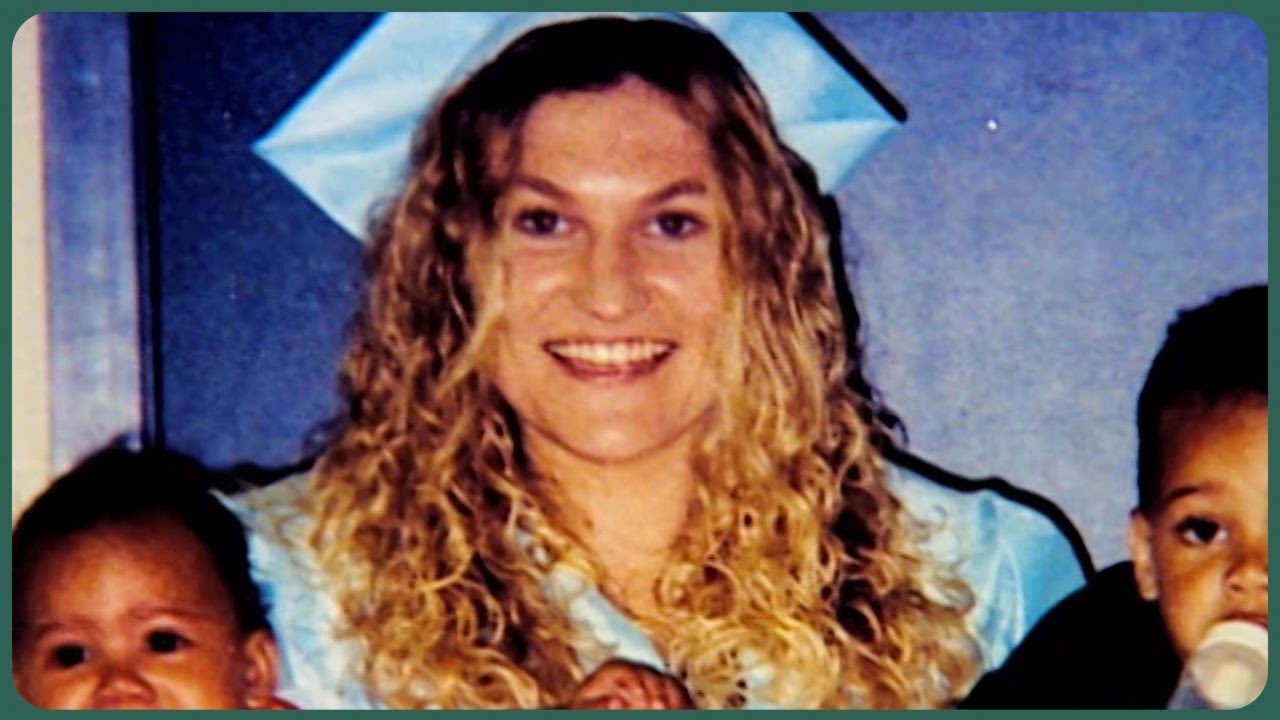
The documentary examines the experiences of Lydia Fairchild and Karen Keegan, two mothers whose biological relationship to their children was initially disputed by DNA tests. It details Fairchild’s legal struggle to retain custody of her children after DNA evidence suggested she was not their biological mother, and Keegan’s discovery of chimerism during a search for a kidney donor. The program explores the scientific basis of chimerism, often resulting from the fusion of two embryos in early development, and its implications for forensic science, legal systems, and personal identity.
Key Themes & Topics Examined
- The scientific explanation and occurrence of human chimerism.
- The challenges chimerism poses to the reliability of DNA paternity and maternity testing.
- Legal ramifications and personal impact on individuals and families affected by misidentified DNA results.
- The intersection of genetic science, medical diagnosis, and the justice system.
- Questions of identity and biological parenthood in the context of rare genetic conditions.
Archival & Investigative Sources
- Case studies of Lydia Fairchild and Karen Keegan.
- Expert commentary from geneticists and legal professionals.
- Documentation of legal proceedings related to DNA evidence.
- Medical records pertaining to chimerism diagnoses.
Frequently Asked Questions
What is human chimerism?
Human chimerism is a rare condition in which an individual possesses cells from two or more different zygotes, resulting in two or more distinct cell lines with different genetic compositions within a single body. This can occur naturally, for example, through the fusion of two non-identical twin embryos in the womb.
How does chimerism affect DNA testing?
Chimerism can lead to discrepancies in DNA test results because different tissues or organs within the same individual may contain different genetic profiles. For instance, a person’s blood DNA might differ from the DNA found in their skin or reproductive cells, potentially causing DNA tests to incorrectly exclude them as a biological parent or relative.
What are the legal implications of chimerism in paternity/maternity cases?
In legal contexts, particularly those involving paternity or maternity disputes, chimerism can complicate DNA evidence. If a parent is a chimera, standard DNA tests might indicate they are not biologically related to their child, even if they are. This can lead to legal challenges regarding parental rights, custody, and inheritance, necessitating more extensive genetic analysis to confirm biological relationships.