
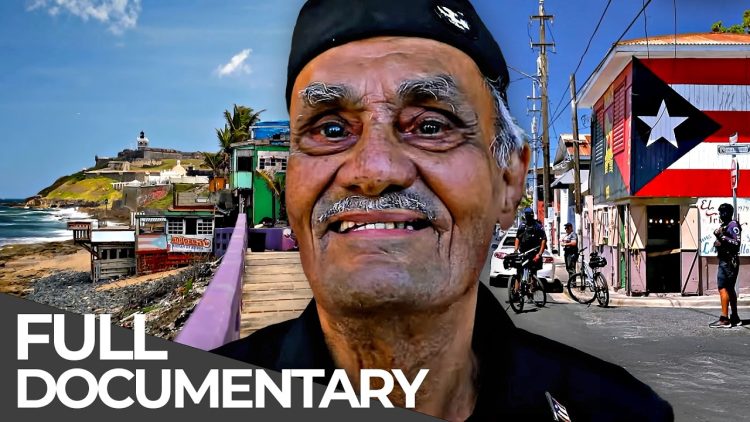
America, But Not Quite: Inside Puerto Rico
Puerto Rico is part of the United States, but not quite — a territory with its own traditions, governed in part by federal law it has no full say over. This Free Documentary looks at the island’s politics, economy and identity, and at the people living inside that contradiction.
The film covers the daily pressures on communities: blackouts, the rising cost of living, and the economic forces the island cannot control. It also gives space to activists arguing for greater independence, and to the ongoing debate over what Puerto Rico’s status should be.
Key Themes & Topics Examined
- Puerto Rico’s status as a U.S. territory
- Local traditions and federal regulations
- Blackouts and the rising cost of living
- Activists advocating for independence
- Identity and political status
Archival & Investigative Sources
- On-location footage from Puerto Rico.
- Interviews with local residents and activists.
- Visual documentation of community life and infrastructure.
Recommended Companion Viewing
Explore authoritative investigative documentaries on related historical events and investigative subjects.

What Does the IAEA Know About Iran’s Stockpile of Highly Enriched Uranium?
The Mölln Attacks - Surviving Racist Terror
Inside the AfD - How Germany's Far-Right Populist Party Operates
Trump's America - Is US democracy in danger?
Frequently Asked Questions
What is the primary focus of the documentary?
The documentary primarily focuses on the unique socio-political and economic conditions of Puerto Rico as a U.S. territory, exploring its cultural identity and challenges.
What specific issues are highlighted within Puerto Rico?
The documentary highlights issues such as the conflict between local traditions and federal law, infrastructure problems like blackouts, rising living costs, and movements advocating for greater independence.
How does the documentary characterize Puerto Rico’s identity?
The documentary characterizes Puerto Rico’s identity as being caught between two distinct frameworks, reflecting its status as a U.S. territory with its own cultural and political aspirations.

