Archeologists Investigate King George III’s Lost White House Palace
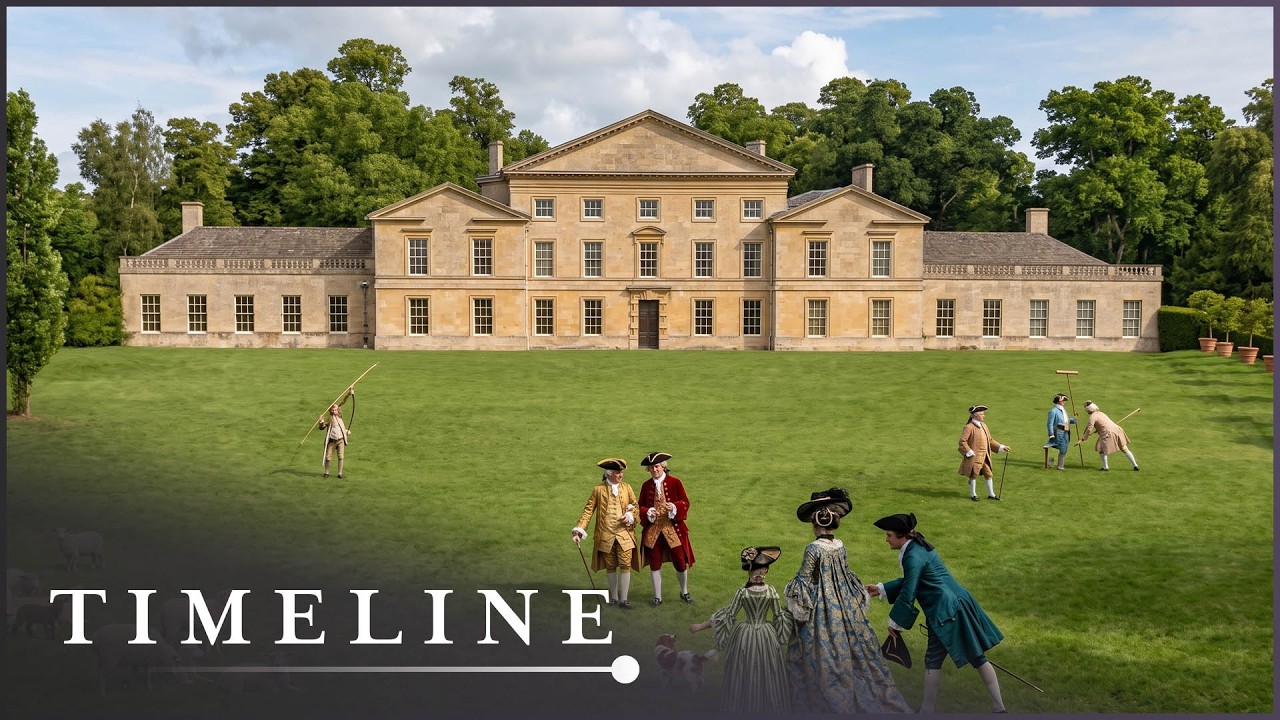
This documentary details an archaeological excavation at Kew Gardens focused on locating the lost White House Palace, a former residence of King George III. The investigation utilizes modern archaeological techniques to uncover structural remains and artifacts associated with the monarch’s preferred retreat.
The Time Team conducts a three-day archaeological survey, employing ground-penetrating radar and historical survey plans. The excavation addresses discrepancies in 18th-century maps to identify forgotten cellar vaults, royal artifacts, and Tudor structural elements, thereby contributing to the understanding of Georgian Britain’s historical landscape.
Key Themes & Topics Examined
- Archaeological methodology in historical site investigation
- The residential history of King George III
- The architectural and structural characteristics of the White House Palace
- The use of historical cartography in archaeological research
- The material culture of 18th-century British royalty
Archival & Investigative Sources
- Ground-penetrating radar data
- Historical survey plans
- 18th-century maps
- Excavated royal artifacts
- Tudor structural remains
Frequently Asked Questions
What was the primary objective of the archaeological project?
The primary objective was to locate and investigate the remains of the White House Palace, a residence of King George III, within Kew Gardens.
Which archaeological techniques were employed during the excavation?
The excavation utilized ground-penetrating radar, historical survey plans, and traditional excavation tools.
What types of historical evidence were encountered during the investigation?
The investigation uncovered forgotten cellar vaults, royal artifacts, and structural remains dating back to the Tudor period.