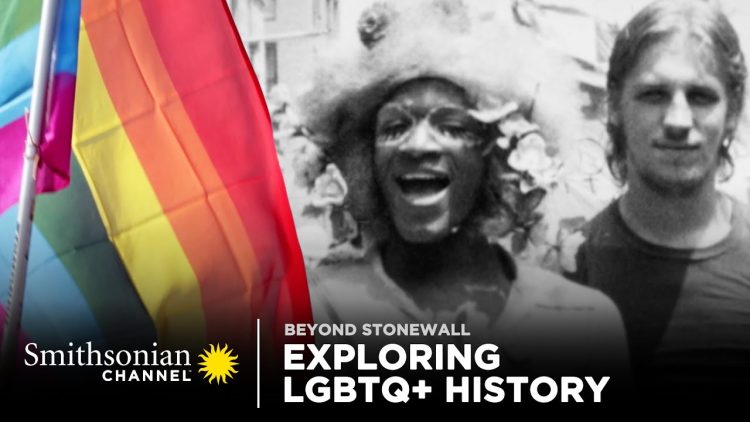
Beyond Stonewall: Exploring LGBTQ+ History Through the Smithsonian Archives
The objects in the Smithsonian’s National Museum of American History tell a story that textbooks long skipped: the history of LGBTQ+ life in America, from the early twentieth century to Stonewall in 1969 and beyond.
Each artefact in the archive is a piece of evidence — of lives lived in secret, of communities built, of a movement that turned a police raid at the Stonewall Inn into a turning point. The film shows how museums preserve not just things, but the memory of people who were written out of the national story.
Key Themes & Topics Examined
- LGBTQ+ history in the United States, early 1900s to the present.
- The Stonewall Riots of 1969 as a turning point.
- Material culture as a record of hidden lives.
- Struggle, achievement and cultural contribution.
- LGBTQ+ experiences in the national museum collection.
Archival & Investigative Sources
- Objects and collections from the National Museum of American History.
- The Smithsonian Archives.
Recommended Companion Viewing
Explore authoritative investigative documentaries on related historical events and investigative subjects.

The Washington Monument: Honoring The Father of a Nation
American Revolution: Road to Independence
Lexington and Concord: The Start of the American Revolution
Pitcairn Island: Refuge or Prison?
Frequently Asked Questions
What is the primary focus of the documentary?
The documentary primarily focuses on exploring LGBTQ+ history in the United States using artifacts and archival materials from the Smithsonian’s National Museum of American History.
Which historical period does the documentary cover?
The documentary covers LGBTQ+ history from the early 20th century, through the 1969 Stonewall Riots, and into subsequent periods.