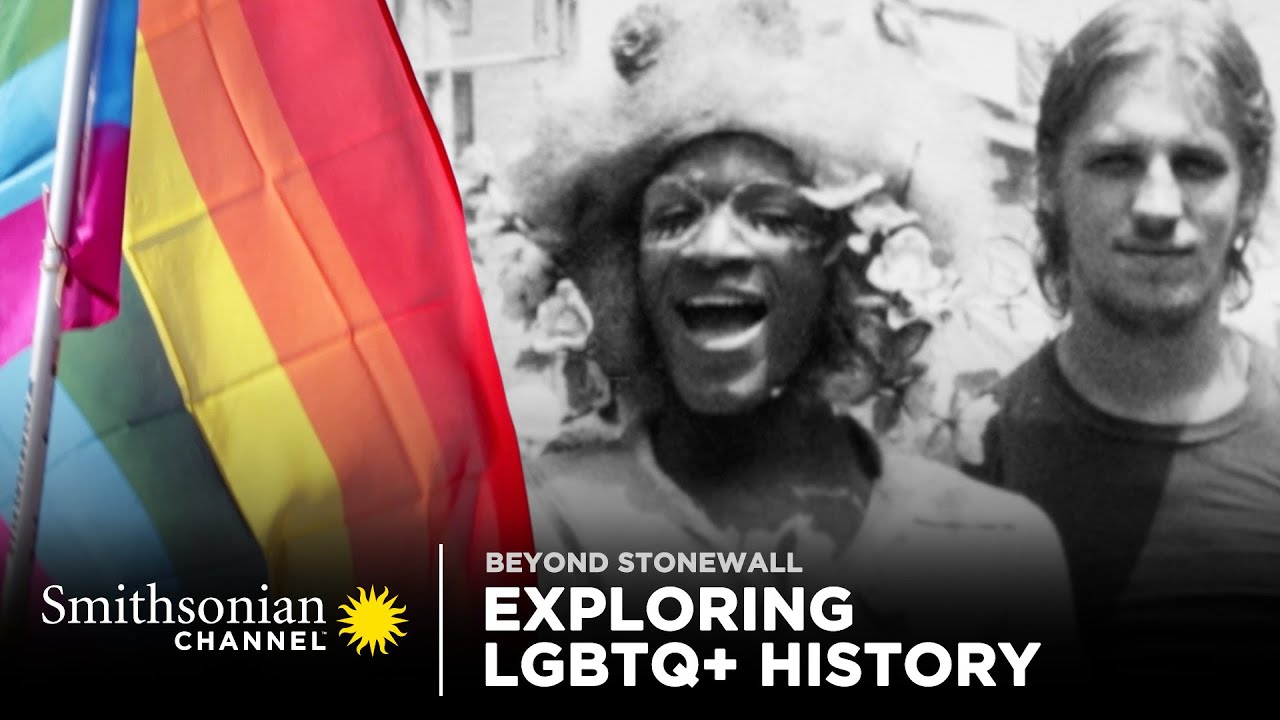
Beyond Stonewall: Exploring LGBTQ+ History Through the Smithsonian Archives
This documentary explores the history of the LGBTQ+ community through artifacts housed within the Smithsonian Archives, specifically those from the National Museum of American History. The program examines the evolution of LGBTQ+ experiences and identities, tracing developments from the early 20th century through the pivotal events of the Stonewall Riots in 1969 and subsequent periods.
The scope of the investigation utilizes archival materials to illustrate key moments and narratives within LGBTQ+ history. It focuses on how these objects document the community’s struggles, achievements, and cultural contributions over several decades, providing a material record of social change and identity formation.
Key Themes & Topics Examined
- The historical trajectory of the LGBTQ+ community in the United States.
- The significance of the Stonewall Riots as a turning point in LGBTQ+ activism.
- The role of material culture and archival collections in documenting social history.
- The representation of LGBTQ+ experiences within national museum collections.
- Social and cultural shifts impacting the LGBTQ+ community from the early 1900s onward.
Archival & Investigative Sources
- Objects and collections from the National Museum of American History.
- Smithsonian Archives.
Frequently Asked Questions
What is the primary focus of the documentary?
The documentary primarily focuses on exploring LGBTQ+ history in the United States using artifacts and archival materials from the Smithsonian’s National Museum of American History.
Which historical period does the documentary cover?
The documentary covers LGBTQ+ history from the early 20th century, through the 1969 Stonewall Riots, and into subsequent periods.