
Mao Zedong – From Peasants’ Son to Communist Revolutionary
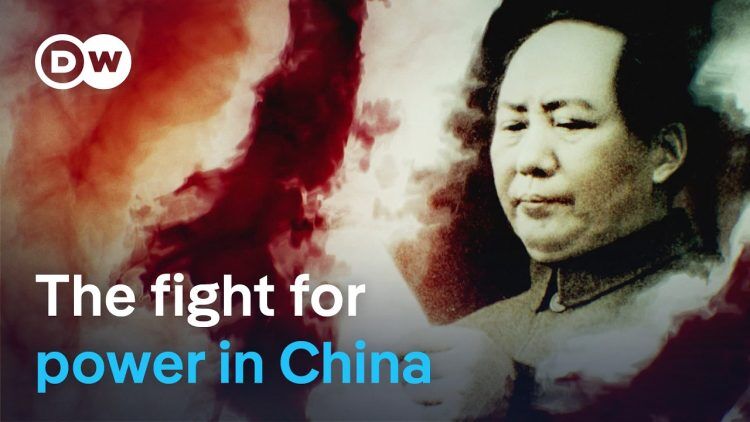
This documentary examines the life and political career of Mao Zedong, tracing his trajectory from a rural background to his role as a revolutionary leader and the founder of the People’s Republic of China. It explores the historical context of his rise, including the political instability of early 20th-century China and the influence of Marxist ideas following the 1917 Russian Revolution.
The narrative covers Mao’s involvement in the formation of the Communist Party of China, the conflict with the Kuomintang, and the Long March. It also addresses the establishment of the People’s Republic of China and the subsequent impact of policies such as the Cultural Revolution. The series utilizes archival footage and interviews with historians and eyewitnesses to provide an account of these events.
Key Themes & Topics Examined
- The early life and political awakening of Mao Zedong
- The development of the Communist Party of China
- The Chinese Civil War and the Long March
- The founding of the People’s Republic of China
- The Cultural Revolution and its societal impact
- Mao’s legacy and its contemporary relevance in China
Archival & Investigative Sources
- Archival footage
- Interviews with historians
- Interviews with eyewitnesses
Recommended Companion Viewing
Explore authoritative investigative documentaries on related historical events and investigative subjects.

Frequently Asked Questions
What is the primary focus of this documentary series?
The documentary series focuses on the life and political career of Mao Zedong, from his origins as a peasant’s son to his role as a communist revolutionary and the founder of the People’s Republic of China.
What historical period does this documentary cover?
The documentary covers the period from Mao Zedong’s birth in 1893 through the establishment of the People’s Republic of China and the Cultural Revolution in the 1960s.
What methods are used to present the information?
The documentary employs archival footage and interviews with historians and eyewitnesses to present its narrative.