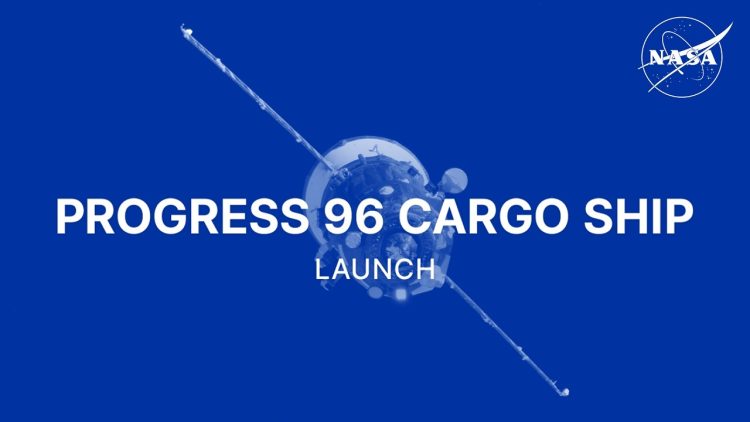
Progress 96 Cargo Ship Launch
A Soyuz rocket lifts off from Baikonur Cosmodrome in Kazakhstan, carrying no crew — just food, fuel and supplies for the International Space Station. This film follows the launch of the Progress 96 cargo ship, scheduled for 16 September, on the first leg of a two-day autonomous flight to the orbiting laboratory.
Once it arrives, Progress 96 will dock itself with the station and stay for months. The film sets the mission against the station’s wider role: more than 25 years of continuous human presence, a platform for science that cannot be done on Earth, and the proving ground for the Artemis programme to the Moon and missions to Mars.
Key Themes & Topics Examined
- The launch of the unpiloted Progress 96 from Baikonur.
- Food, fuel and supplies for the ISS crew.
- A two-day autonomous flight to docking.
- The ISS as a platform for science and human spaceflight research.
- Preparation for Artemis and future missions to Mars.
Archival & Investigative Sources
- NASA mission documentation.
- Baikonur Cosmodrome launch records.
- International Space Station operational data.
Recommended Companion Viewing
Explore authoritative investigative documentaries on related historical events and investigative subjects.

Saturn V: How NASA Built the Most Powerful Rocket Ever
Artemis II Congressional Space Medal of Honor Ceremony
NASA's SpaceX Crew-13 Launch
NASA's SpaceX Crew-12 Undocking
Frequently Asked Questions
What was the primary purpose of the Progress 96 mission?
The primary purpose of the Progress 96 mission was to transport food, fuel, and supplies to the International Space Station.
From where did the Progress 96 spacecraft launch?
The Progress 96 spacecraft launched from the Baikonur Cosmodrome in Kazakhstan.
How long was the journey from launch to docking with the ISS?
The journey from launch to autonomous docking with the ISS was scheduled to take two days.
What is the significance of the International Space Station for future space exploration?
The International Space Station helps NASA understand human spaceflight challenges, expand commercial opportunities in low Earth orbit, and build a foundation for long-duration missions to the Moon (Artemis program) and Mars.