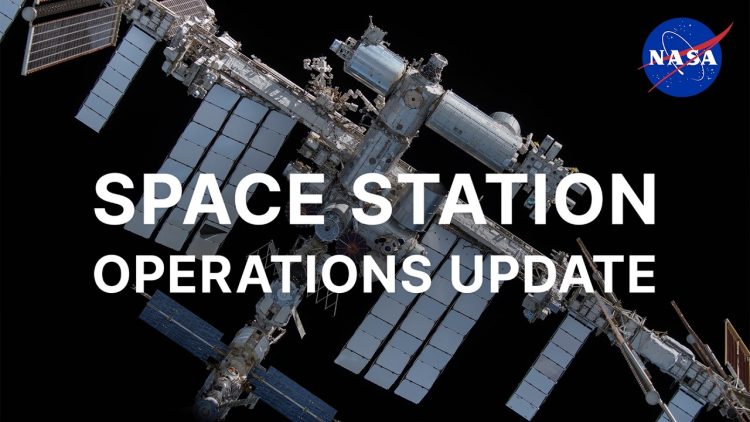
Space Station Operations Update
Boeing’s Starliner is NASA’s second way of getting astronauts to the space station — and this briefing from Kennedy Space Center is a status check on where it stands. NASA Administrator Jared Isaacman, Dana Weigel, astronaut Woody Hoburg and Boeing’s John Mulholland lay out the spacecraft’s progress and the milestones still ahead.
The discussion covers Starliner’s development, its integration into crewed missions, and what comes next for NASA’s Commercial Crew Program — the effort to have private companies, not just government rockets, carry astronauts to and from low Earth orbit.
Key Themes & Topics Examined
- The development status of Boeing’s Starliner spacecraft.
- Plans for future crewed flights to the ISS.
- NASA’s Commercial Crew Program.
- Collaboration between NASA and commercial aerospace partners.
- Operational aspects of low Earth orbit missions.
Archival & Investigative Sources
- Official statements and press conferences from NASA and Boeing.
- Presentations by program managers and astronauts.
Recommended Companion Viewing
Explore authoritative investigative documentaries on related historical events and investigative subjects.

NASA’s SpaceX Crew-12 Pre-Departure News Conference
Progress 96 Cargo Ship Docking
U.S. Spacewalk 97
NASA's SpaceX Crew-13 Postlaunch News Conference
Frequently Asked Questions
What is the primary focus of the update?
The update primarily focuses on the development and operational plans for Boeing’s Starliner spacecraft and its role in transporting crews to the International Space Station.
Who are the main participants in the briefing?
Key participants include NASA Administrator Jared Isaacman, Dana Weigel (NASA’s Low Earth Orbit Program manager), Woody Hoburg (NASA astronaut), and John Mulholland (Boeing Commercial Crew vice president and program manager).
What is the Commercial Crew Program?
The Commercial Crew Program is a NASA initiative aimed at fostering the development of privately operated spacecraft for crew transportation to and from the International Space Station, reducing reliance on government-operated vehicles.