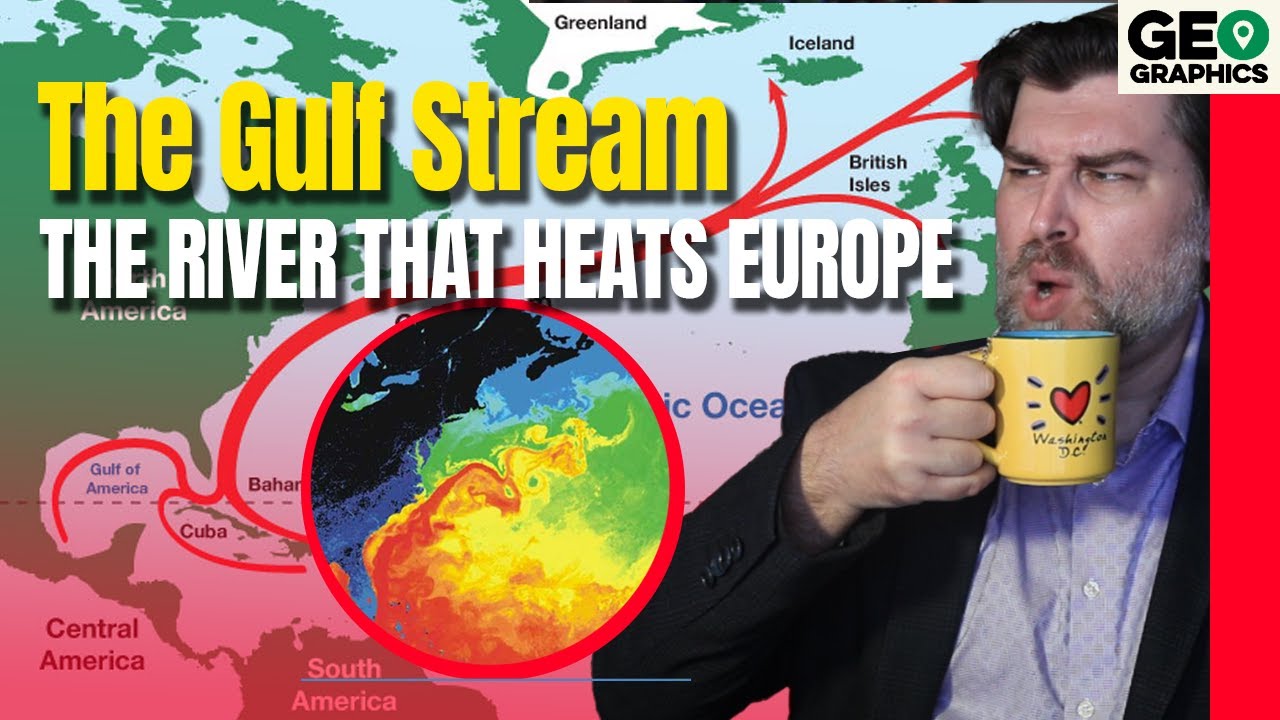
The Gulf Stream: Warming the North Atlantic
This documentary examines the Gulf Stream, a powerful and warm Atlantic Ocean current that originates in the Gulf of Mexico and extends to the North Atlantic. The program explores its historical significance, its role in global climate patterns, and contemporary scientific observations regarding its stability and potential changes.
The documentary investigates the physical characteristics of the Gulf Stream, including its temperature, speed, and depth, and discusses its influence on the climate of Western Europe. It also addresses the implications of observed shifts and warming trends within the current system, drawing upon scientific research and data related to oceanography and climate science.
Key Themes & Topics Examined
- The geographical path and physical properties of the Gulf Stream.
- The historical understanding and mapping of the current.
- The impact of the Gulf Stream on regional and global climate.
- Contemporary scientific findings on the warming and shifting of the Gulf Stream.
- Potential environmental consequences associated with changes in the current.
Archival & Investigative Sources
- Historical charts and navigational records related to the Gulf Stream.
- Oceanographic data and climate models.
- Scientific studies and research papers on ocean currents and climate change.
- Reports from organizations such as NOAA and WHOI.
Recommended Companion Viewing
Explore authoritative investigative documentaries on related historical events and investigative subjects.

Eat Or Be Eaten: Ocean Predators
Africa’s Wildest Coast: Life At The Sweeping Edge

Wonder Shore: Africa's Most Spectacular Coastline

Eat Or Be Eaten: Reef Predators
Frequently Asked Questions
What is the Gulf Stream?
The Gulf Stream is a strong, warm ocean current that flows from the Gulf of Mexico, along the eastern coast of North America, and across the Atlantic Ocean towards Europe.
How does the Gulf Stream affect climate?
The Gulf Stream transports warm water and heat from the tropics to higher latitudes, significantly influencing the climate of Western Europe by moderating temperatures and contributing to milder winters than would otherwise be expected at those latitudes.
Are there observed changes in the Gulf Stream?
Scientific studies have indicated that the Gulf Stream is experiencing warming and shifts in its flow patterns, with ongoing research investigating the causes and potential long-term implications of these changes.