Climate Change and Displacement – How People Are Being Forced to Flee Their Homes
This documentary examines the global phenomenon of climate-induced displacement, focusing on the average of 70,000 individuals displaced daily over the past decade due to climate change, according to UNHCR figures. It highlights the disproportionate impact on poorer countries and the absence of a universal legal framework for the protection of these displaced populations under the Geneva Convention.
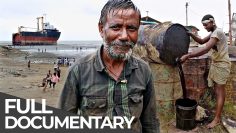
The program investigates specific regional responses to this emergency. In Bangladesh, it details the displacement of approximately 2.4 million people in 2024 due to natural disasters such as cyclones, tropical storms, rising sea levels, and glacial melt, and explores the establishment of model villages for communities affected by soil erosion and salinization. In Colombia, the documentary covers the legal recognition of climate change victims, establishing environmental factors as a cause for displacement alongside violence and armed conflict. The situation in the Pacific region is also explored, where rising sea levels threaten national existence and policy emphasizes regional solidarity while acknowledging the deep cultural ties to ancestral lands.
Key Themes & Topics Examined
- The scale and daily impact of climate-induced displacement globally.
- The lack of international legal protection for climate migrants.
- Case studies of affected regions: Bangladesh, Colombia, and the Pacific Islands.
- Specific environmental factors contributing to displacement, including cyclones, rising sea levels, and glacial melt.
- Societal and governmental responses to climate migration, including legal recognition and community resettlement efforts.
Archival & Investigative Sources
- Figures and data from the UN Refugee Agency (UNHCR).
- Legal precedents and policy developments in Colombia.
- Community initiatives and resettlement projects in Bangladesh.
- Regional policy discussions and solidarity efforts in the Pacific.
Frequently Asked Questions
What is climate-induced displacement?
Climate-induced displacement refers to the forced movement of people from their homes or habitual residences due to the impacts of climate change, including extreme weather events, rising sea levels, and environmental degradation.
Is climate-induced displacement recognized under international law?
Currently, there is no universal legal framework that formally recognizes climate-induced displacement as a valid ground for asylum under the Geneva Convention, leaving these populations without specific international protection.
Which regions are most affected by climate-induced displacement?
Poorer countries and regions, such as Bangladesh, parts of Latin America like Colombia, and island nations in the Pacific, are particularly hard hit due to their vulnerability to climate impacts and often limited resources for adaptation.