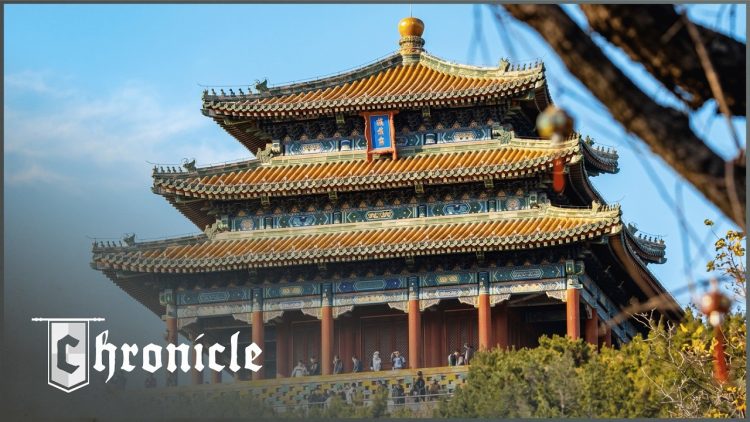
The Imperial History Behind Beijing’s 600-Year-Old Central Axis
For 600 years, Beijing has been laid out along a single 7.8-kilometre north-south line: the Central Axis, a UNESCO World Heritage site that runs through the Forbidden City, the Temple of Heaven and the Drum and Bell Towers. Presenter Dan Snow walks the axis to show how the Yuan, Ming and Qing dynasties built a capital around it.
The film looks at the design and construction of those imperial buildings, and at the city that grew around them — including the hutongs, home to the people whose lives supported the imperial system. It is a walk through Beijing’s history, and the plan that still shapes its modern form.
Key Themes & Topics Examined
- Beijing’s Central Axis, 7.8 kilometres long
- The Forbidden City and Temple of Heaven
- Yuan, Ming and Qing dynasties
- Drum and Bell Towers
- Hutongs and daily life in the imperial city
Archival & Investigative Sources
- On-site exploration of historical buildings and urban landscapes in Beijing.
- Analysis of architectural details and urban planning principles.
Recommended Companion Viewing
Explore authoritative investigative documentaries on related historical events and investigative subjects.

Alexandria: At the Crossroads of History
The Complete History Of Early Christianity In The Roman Empire
Frequently Asked Questions
What is the Beijing Central Axis?
The Beijing Central Axis is a 7.8-kilometer-long north-south line that forms the core of Beijing’s old city, featuring a sequence of imperial buildings and urban spaces that represent the city’s historical and cultural development.
Which dynasties contributed to the development of the Central Axis?
The Central Axis’s foundations were laid during the Yuan Dynasty, with significant expansion and construction occurring during the Ming and Qing Dynasties.
What are some prominent structures located on the Central Axis?
Key structures include the Forbidden City, the Temple of Heaven, the Drum Tower, and the Bell Tower.