
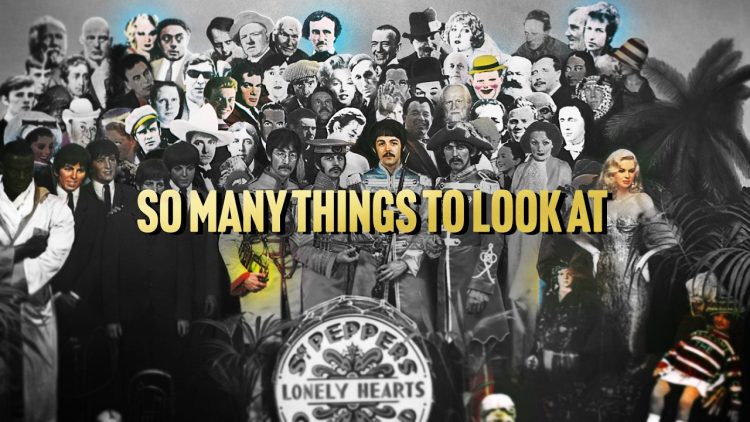
The Joy of “I Spy” Album Covers
Some album covers are meant to be stared at. This film looks at the “I Spy” album cover: artwork crowded with small elements, hidden objects and complex scenes that invite the viewer to spend time hunting for details they missed the first time around.
The programme works through specific examples across different genres, considering what the designers were trying to do, how audiences responded, and why these covers stuck in the memory. It places them in the wider story of graphic design and music packaging, where the cover was once a record’s first and most lasting advertisement.
Key Themes & Topics Examined
- The history and evolution of interactive album cover design
- Specific examples of “I Spy” album covers across different musical genres
- The psychological and aesthetic appeal of detailed visual puzzles in album art
- The role of album artwork in shaping listener engagement and cultural memory
- The intersection of visual art and music marketing
Archival & Investigative Sources
- Analysis of historical album cover art
- Examination of graphic design principles
- Cultural commentary on music packaging
Recommended Companion Viewing
Explore authoritative investigative documentaries on related historical events and investigative subjects.

A World Without Beethoven?
Grace Potter's Lynchian Road Trip
Westminster Abbey: The Most Important Church in England
Frequently Asked Questions
What defines an “I Spy” album cover?
An “I Spy” album cover is characterized by its intricate visual details, often containing numerous small elements, hidden objects, or complex scenes that invite viewers to spend extended time examining the artwork to discover new aspects.
What is the cultural significance of these album covers?
These album covers contribute to the cultural significance of an album by enhancing listener engagement beyond the auditory experience, fostering a deeper connection with the artist’s work, and often becoming iconic visual representations of the music itself.

