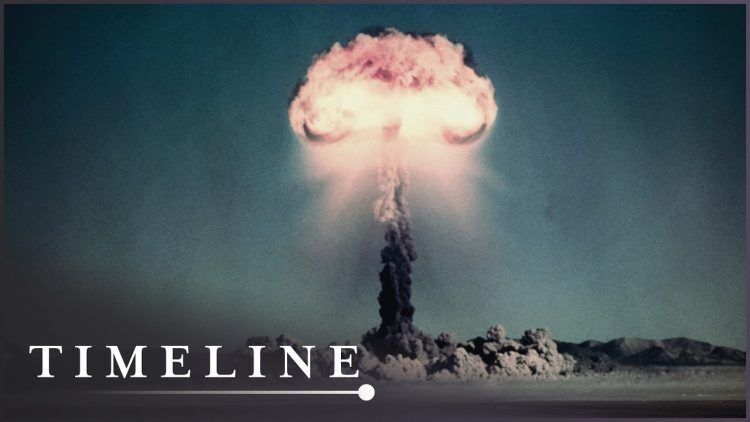
1945 – 1961: The Complete Story Of The Early Cold War
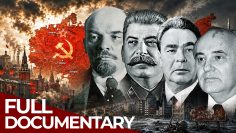
The Cold War began the moment the Second World War ended, and this documentary traces its first phase, from 1945 to 1961. The film follows how the United States and the Soviet Union became rival superpowers, and how their rivalry shaped the world.
The story runs through Winston Churchill’s Iron Curtain speech, the Berlin Airlift, the Korean War, atomic espionage and the Space Race. Behind them all sits the doctrine of Mutually Assured Destruction, which kept the world on the edge of a third world war for sixteen years.
Key Themes & Topics Examined
- The post-war world and the rise of two superpowers
- Capitalism versus communism
- Nuclear weapons and Mutually Assured Destruction
- Proxy conflicts, including Korea
- The arms race and the Space Race
Archival & Investigative Sources
- Historical footage from the post-WWII period
- Archival records of international diplomacy and military strategy
- Documentation of key historical figures and events
Recommended Companion Viewing
Explore authoritative investigative documentaries on related historical events and investigative subjects.

How Francis of Assisi rejected wealth and found purpose
Death Marches: The Third Reich's Final Crime
Why These Palestinians Will Never Give Up Their Homes
Why Botswana Got So Wealthy
Frequently Asked Questions
What were the primary causes of the Cold War?
The primary causes of the Cold War included ideological differences between the United States (capitalism and democracy) and the Soviet Union (communism), geopolitical competition for influence in post-war Europe and Asia, and mutual distrust stemming from differing wartime objectives and post-war ambitions.
What significant events marked the early period of the Cold War (1945-1961)?
Significant events during this period include the division of Germany and the Berlin Blockade/Airlift, the formation of NATO and the Warsaw Pact, the Korean War, the development of hydrogen bombs by both superpowers, the launch of Sputnik, and the U-2 incident.