9/11: 25 Years Later Remembering The Day the World Stood Still
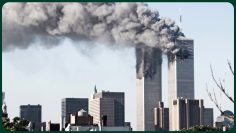
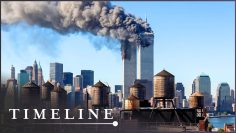
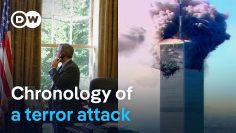
A quarter of a century after the morning of September 11, 2001, this film returns to the day the world stood still. It reconstructs the four coordinated attacks by al-Qaeda — on the World Trade Center in New York, the Pentagon in Virginia, and the hijacked plane that crashed in Pennsylvania — and the hours in which the scale of what was happening became clear.
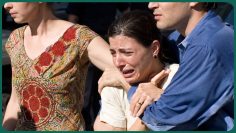
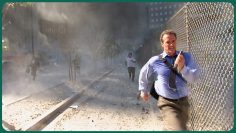
The film stays close to the people who lived through it: those trapped in the towers, the firefighters and first responders who went in, and the families watching from outside. Through archival recordings, eyewitness accounts and photographs from the day, it follows the morning from the first reports of hijacked aircraft through the immediate aftermath.
Key Themes & Topics Examined
- The sequence of events on September 11, 2001.
- The attacks on New York City, Washington D.C., and Pennsylvania.
- The experiences of people directly affected by the attacks.
- The role of emergency services and first responders.
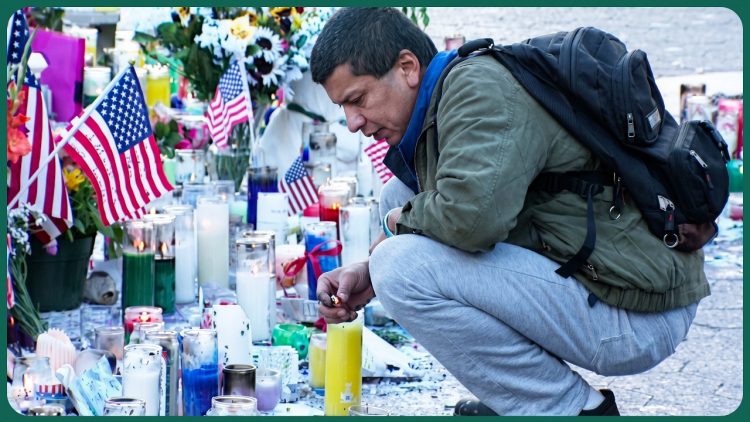
- The collective response in the hours and days that followed.
Archival & Investigative Sources
- Archival recordings from September 11, 2001.
- Eyewitness accounts and survivor stories.
- Photographs taken on the day.
- Firsthand accounts from firefighters and first responders.
Recommended Companion Viewing
Explore authoritative investigative documentaries on related historical events and investigative subjects.

Galloping Gertie: The Turbulent Life and Death of the Tacoma Narrows Bridge
American Revolution 1776: Battles of Brooklyn Heights, Trenton & Princeton
The Man in the Iron Mask: France's Greatest Secret Revealed
The Untold Story of the Reagan Presidency
Frequently Asked Questions
What was the primary focus of the September 11, 2001 attacks?
The attacks primarily targeted the World Trade Center in New York City and the Pentagon in Arlington, Virginia, with a fourth hijacked plane crashing in Pennsylvania.
What types of sources are utilized in this documentary?
The documentary incorporates archival recordings, eyewitness testimonies, survivor narratives, and photographic evidence to reconstruct the events of the day.