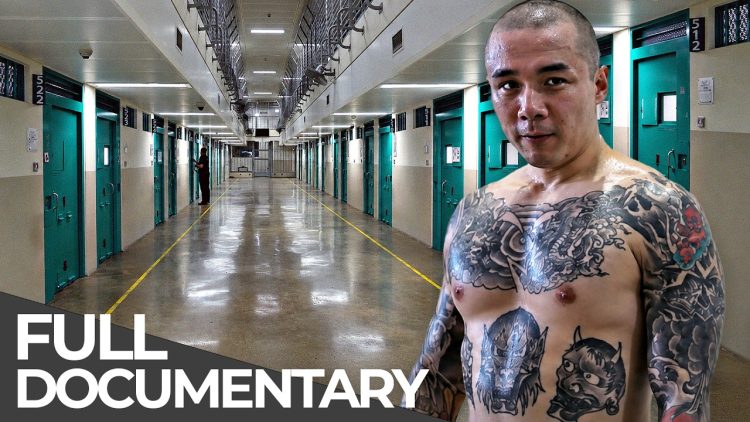
Concrete Purgatory: The Ultra-Strict Prison Where Privacy Doesn’t Exist
Singapore’s Changi Prison is a maximum-security facility built on strict rules and a focus on rehabilitation. This observational film spends time inside it, following the daily routines of inmates in spartan conditions, under constant security — and the system that is meant to stop them coming back.
Six inmates feature in the film, all of them incarcerated multiple times and at least once in maximum security, and all of them willing to be identified. Through their experiences, the film asks whether the regime works: a portion of released inmates in Singapore return to prison within two years.
Key Themes & Topics Examined
- Daily life in a maximum-security prison
- Strict regulations and rehabilitation
- Six repeat inmates, identified on camera
- Spartan conditions and routine security
- Reoffending rates and whether the regime works
Archival & Investigative Sources
- Direct observational footage from within Changi Prison.
- Interviews and personal accounts from six identified inmates.
- Documentation of prison procedures and daily life.
Recommended Companion Viewing
Explore authoritative investigative documentaries on related historical events and investigative subjects.

The Inmates We Fear Most
Supreme Court: The Temple of Justice
Daily Life in a German Prison
Who Did Lindsay Clancy Hear?
Frequently Asked Questions
What is the primary focus of the documentary?
The documentary focuses on the operational environment and rehabilitation efforts within Singapore’s Changi Prison, a maximum-security facility, through the experiences of its inmates.
What are the living conditions like in Changi Prison as depicted?
The documentary describes the living conditions as spartan, with cells lacking beds, pillows, and chairs. Showers are conducted by stooping over a toilet hole, and strip searches are routine.
Does the documentary address reoffending rates?
Yes, the documentary states that Singapore’s reoffending rates are among the lowest globally, but also notes that at least one in five inmates return to jail within two years of release.
Who are the main subjects of the documentary?
The main subjects are six inmates who have been incarcerated multiple times, including in maximum security, and who agreed to reveal their identities for the film.