How A 2000 Year Old Recipe Conquered The Ancient World
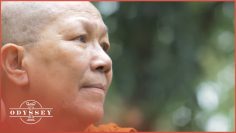
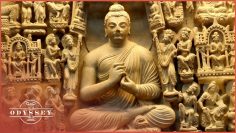
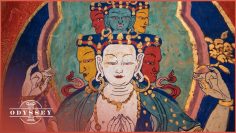
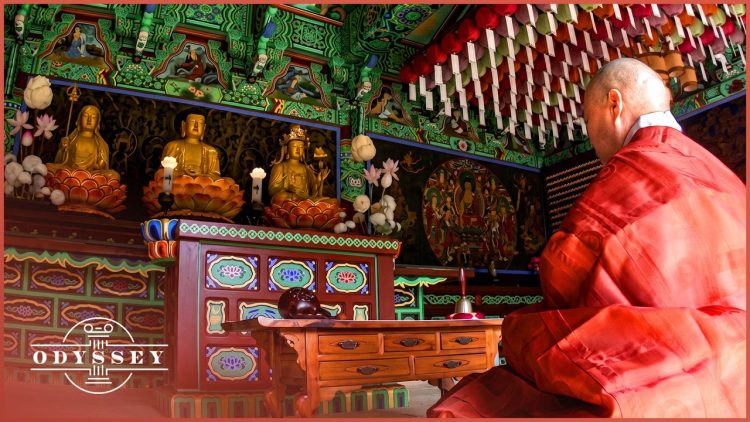
In mountain temples in South Korea, Buddhist monks cook by rules laid down 2,000 years ago — vegetarian food, prepared with mindfulness, as a spiritual practice. This Odyssey film follows that tradition, known as Korean Temple Food, from ancient India through Central Asia, East Asia and the Himalayas to the present day.
The same principles that govern a temple kitchen now appear in a two-Michelin-starred restaurant in Seoul. The film looks at how a dietary code became a way of preserving Buddhist teaching itself — and what it means to treat cooking and eating as meditation.
Key Themes & Topics Examined
- Korean Temple Food and its 2,000-year history
- Monastic dietary codes and mindfulness
- Sacred vegetarian preparation
- From mountain temples to a Seoul restaurant
- Food as spiritual practice
Archival & Investigative Sources
- Ancient Buddhist scriptures and texts.
- Historical accounts of monastic life and culinary practices.
- Contemporary interviews with practitioners of Korean Temple Food.
- Visual documentation of temple kitchens and modern culinary establishments.
Recommended Companion Viewing
Explore authoritative investigative documentaries on related historical events and investigative subjects.

From Hate to Peace - The Power of Reconciliation
Frequently Asked Questions
What is Korean Temple Food?
Korean Temple Food refers to the traditional culinary practices and dietary codes observed by Buddhist monastics in Korea, characterized by vegetarianism, specific preparation methods, and an emphasis on mindfulness.
How did Buddhist teachings spread across ancient Asia?
Buddhist teachings spread through various means, including the movement of monastics, the translation and dissemination of sacred texts, and the integration of practices like specific dietary codes into local cultures.
What is the significance of mindfulness in Korean Temple Food?
Mindfulness in Korean Temple Food involves a conscious approach to the preparation and consumption of food, viewing it as a spiritual practice that contributes to physical and mental well-being and aligns with Buddhist principles.