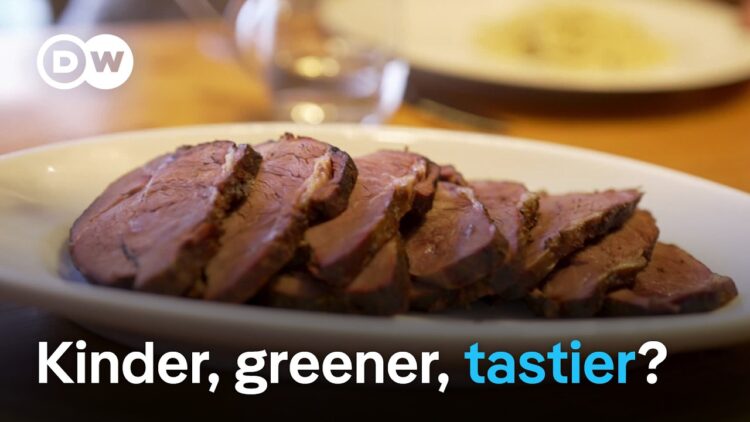
Fake Steak – Future-Proof Food And Lab-Grown Meat
Meat without the animal, protein made from thin air — the race to replace livestock farming is already under way, and it is stranger than most people expect. This DW Documentary travels to the labs and startups trying to build it.
Science journalist Ingolf Baur meets Joshua Tetrick in California, where Good Meat grows chicken muscle cells in bioreactors; Alison Van Eenennaam at the University of California, who uses CRISPR gene editing to make cattle more efficient; and Pasi Vainikka in Helsinki, whose Solar Foods makes a protein-rich food called Solein from bacteria fed on CO2 and hydrogen. The film weighs all three against the footprint of industrial livestock farming — greenhouse gas emissions, land and water use, and links to antibiotic resistance — and asks whether any of them can scale.
Key Themes & Topics Examined
- The environmental cost of industrial livestock farming, including emissions and resource use.
- Cultured meat: growing real meat cells in bioreactors.
- Gene editing with CRISPR to make traditional livestock farming more efficient.
- Solein: a new kind of protein made by microbial fermentation.
- The cost and scaling problems facing all three approaches.
- The scientists and entrepreneurs driving food innovation.
Archival & Investigative Sources
- Interviews with Joshua Tetrick, CEO of Good Meat.
- Interviews with Alison Van Eenennaam, researcher at the University of California.
- Interviews with Pasi Vainikka, co-founder of Solar Foods.
- On-site visits to research and production facilities in California and Helsinki.
- Reporting by science journalist Ingolf Baur.
Recommended Companion Viewing
Explore authoritative investigative documentaries on related historical events and investigative subjects.

Is Green Hydrogen the Answer to the Climate Crisis?
The Dumbest Ways to Die in Space
Progress 96 Cargo Ship Launch
There Is Something Faster Than Light
Frequently Asked Questions
What is the primary motivation for developing alternative meat production methods?
The primary motivations include concerns about animal welfare and the ecological impact of industrial livestock farming, specifically its contribution to greenhouse gas emissions, land and water usage, and potential links to antibiotic resistance.
What are some of the technologies discussed for alternative food production?
The documentary discusses cellular agriculture for lab-grown meat, gene editing using CRISPR to improve livestock efficiency, and microbial fermentation to create novel protein sources like Solein.
Who are some of the key individuals featured in the documentary?
Key individuals featured include Joshua Tetrick, CEO of Good Meat; Alison Van Eenennaam, a researcher at the University of California; and Pasi Vainikka from Solar Foods.