Episodes
For My Father
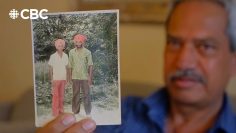
The documentary For My Father explores the life of Inderjit Mahal, an Indian immigrant to Canada, through the perspective of his son, filmmaker Manny Mahal. The film documents Manny Mahal’s efforts to understand his father’s experiences and bridge a cultural and generational gap that became more pronounced following a family tragedy.
The narrative reconstructs key events from Inderjit Mahal’s life, including his emigration from India to Canada at age 21, his return to India after a family loss to bring his nephews to Canada, and his dedication to his wife during her prolonged illness. Manny Mahal utilizes cinematic re-enactments, wearing his father’s clothing and filming in original family locations, to engage with his father’s past. This process facilitates a dialogue between father and son regarding their shared history and the impact of personal loss.
Key Themes & Topics Examined
- The immigrant experience and its impact on family dynamics.
- Intergenerational communication and cultural differences within families.
- The process of grieving and healing after significant loss.
- The role of storytelling in preserving family history and fostering connection.
- Filmmaking as a method of personal inquiry and reconciliation.
Archival & Investigative Sources
- Personal interviews with Inderjit Mahal.
- Family photographs and personal anecdotes.
- Re-enactments of historical events and personal experiences.
Recommended Companion Viewing
Explore authoritative investigative documentaries on related historical events and investigative subjects.

Frequently Asked Questions
What is the central premise of For My Father?
The documentary centers on a Canadian filmmaker’s attempt to understand his immigrant father’s life story and bridge a cultural divide, particularly after a family tragedy.
Who are the primary subjects of the documentary?
The primary subjects are Inderjit Mahal, an Indian immigrant, and his son, Manny Mahal, who directs the film.
What methods does the filmmaker use to explore his father’s past?
The filmmaker employs interviews, re-enactments where he physically embodies his father’s past experiences, and visits to significant family locations.