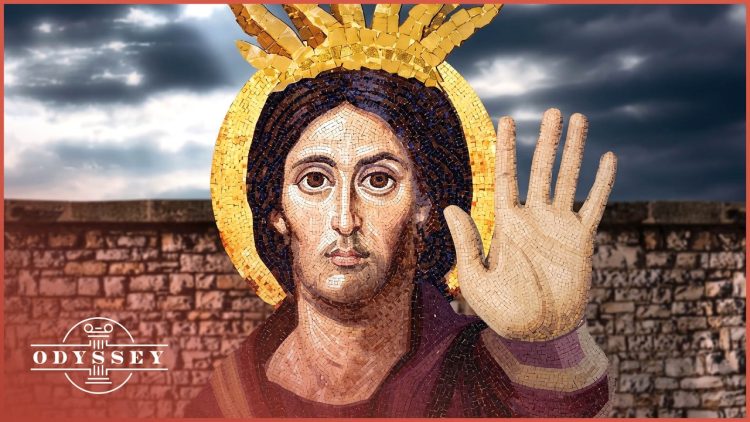
Inside The Forbidden Vault: Scanning A Censored 6th-Century Bible
In the British Library sits Item 17202, a 1,500-year-old Syriac manuscript called Joseph and Aseneth. Some of its pages look altered, even cut — as if someone, more than a thousand years ago, tried to hide what was written there. This Odyssey film asks what was censored, and why.
Using multi-spectral imaging, investigators and New Testament scholars examine the manuscript’s pages for traces of the original text beneath the alterations, and consider what the rediscovered words could mean for our understanding of early Christianity.
Key Themes & Topics Examined
- British Library Item 17202, Joseph and Aseneth
- A 6th-century Syriac manuscript
- Multi-spectral imaging
- Evidence of ancient censorship
- What the hidden text could mean
Archival & Investigative Sources
- British Library Item 17202 (Joseph and Aseneth manuscript).
- Multi-spectral imaging technology for manuscript analysis.
- Expert analysis from New Testament scholars.
- Investigative journalism methodologies.
Recommended Companion Viewing
Explore authoritative investigative documentaries on related historical events and investigative subjects.

How A 2000 Year Old Recipe Conquered The Ancient World
Frequently Asked Questions
What is the primary subject of the documentary?
The documentary focuses on the investigation of a 6th-century Syriac manuscript, Joseph and Aseneth, housed at the British Library, to determine if it contains censored content related to early Christianity.
What technology is used in the investigation?
State-of-the-art multi-spectral imaging technology is utilized to examine the physical characteristics of the manuscript and reveal obscured text.
Who are the primary contributors to the investigation?
The investigation involves investigative journalists and New Testament scholars.