Masai Mara: African Wildlife Stories
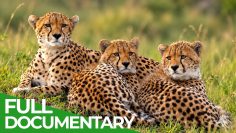
This documentary focuses on the wildlife and ecological dynamics within the Masai Mara ecosystem. It documents the behaviors and interactions of various animal species, including lions, hyenas, elephants, and cheetahs, as well as the large-scale migrations that characterize the region.
The program explores the environmental factors that influence the Masai Mara, such as rainfall patterns, and their impact on the life cycles and survival strategies of its animal inhabitants. It depicts events such as river crossings and the predator-prey relationships that are integral to the savannah environment.
Key Themes & Topics Examined
- Wildlife behavior and interactions in the Masai Mara.
- The annual migration patterns of animals within the ecosystem.
- Predator-prey dynamics among African savannah species.
- The influence of environmental factors, such as rainfall, on wildlife.
- The concept of the ‘eternal cycle of life’ within a natural habitat.
Archival & Investigative Sources
- Field observations of animal behavior.
- Cinematography capturing natural events in the Masai Mara.
Frequently Asked Questions
What geographical region does the documentary cover?
The documentary covers the Masai Mara, a national reserve located in Kenya, which is part of the larger Serengeti ecosystem.
Which animal species are prominently featured?
Prominently featured species include lions, hyenas, elephants, cheetahs, and various migrating animals.
What ecological processes are highlighted in the documentary?
The documentary highlights ecological processes such as animal migration, predator-prey relationships, and the impact of environmental conditions on wildlife.