Mason Jenkins Most Shocking Confessions
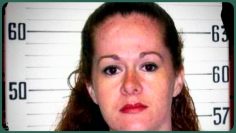
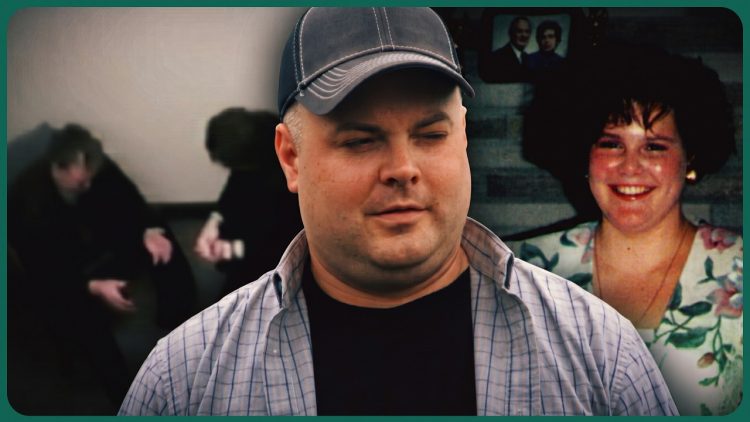
In 2006, Jennifer Jenkins was found dead in Chatham. Her brother, Mason Jenkins, told police an intruder had done it. Over the next decade, his story changed — and changed again — until the confessions that give this documentary its title. The film follows the investigation across those ten years, through the crime scene, the evidence, the interviews, and the family’s long wait for an answer.
The investigation began with the discovery of Jennifer’s body and the immediate police response. The crime scene held physical evidence that would become central to the case: a .22 caliber firearm, and a trail of blood running from a living room chair to the basement. The documentary follows the forensic analysis of that evidence and the questioning of Mason Jenkins, whose initial account of an intruder began to unravel as investigators compared his statements against what the scene showed.
What makes the film compelling is its attention to the slow, uncertain work of a long investigation. Mason Jenkins did not confess once; his accounts shifted over years, and the documentary traces each version — what he said, when he said it, and what the investigators found that contradicted it. The film does not present this as a simple story of a lie exposed, but as a process in which the truth emerged gradually, through the accumulation of evidence and the persistence of the people working the case.
The family’s experience runs alongside the investigation. The documentary includes their perspective: their interactions with Mason Jenkins during unsupervised visits, their engagement with the parole board process, and the impossible position of a family divided by a crime committed within it. The film treats their story with care, showing how a homicide case does not end with a conviction — it continues in the lives of the people left behind, in parole hearings and in visits, for years afterwards.
What the Film Explores
The documentary explores how criminal investigations actually work over long periods. Television makes detection look fast; this case took a decade. The film shows the patience required — the re-examination of evidence, the repeated interviews, the willingness to keep a case open when the first answers do not hold — and argues that this patience is itself the story.
It also explores the question of motive, and how hard motive is to establish. The documentary considers the potential motives discussed in the case without settling on a simple explanation, and it shows how the family’s own understanding of what happened evolved alongside the investigation. In the end, the film suggests, a confession answers one question and leaves others: not only what happened, but why, and what it means for the people who have to live with the answer.
Key Themes & Topics Examined
- The investigation into the death of Jennifer Jenkins.
- The evolving statements and confessions of Mason Jenkins.
- The role of forensic evidence in criminal investigations.
- The impact of a criminal case on family dynamics.
- The legal and parole processes in cases of homicide.
- The examination of potential motives in a criminal act.
- The slow, decade-long work of a criminal investigation.
Archival & Investigative Sources
- Police investigation records and evidence.
- Court documents and legal proceedings.
- Interviews with Mason Jenkins.
- Testimonies from family members.
- Forensic analysis reports.
Recommended Companion Viewing
Explore authoritative investigative documentaries on related historical events and investigative subjects.

Killer Husband Played The Victim And Lied On National TV
From a Harvard Genius To America’s Most Wanted
Frequently Asked Questions
What is the central event documented?
The documentary centers on the 2006 death of Jennifer Jenkins in Chatham and the subsequent investigation into her brother, Mason Jenkins.
What evidence is discussed in the documentary?
Evidence discussed includes a .22 caliber firearm, a trail of blood from a living room chair to the basement, and the varying accounts provided by Mason Jenkins.
How does the documentary address the family’s perspective?
The documentary includes the family’s experiences, such as their interactions with Mason Jenkins during unsupervised visits and their involvement with the parole board.
Why did the case take so long?
Mason Jenkins’s accounts shifted over a decade, and the truth emerged gradually through the accumulation of evidence and the persistence of the investigators.