
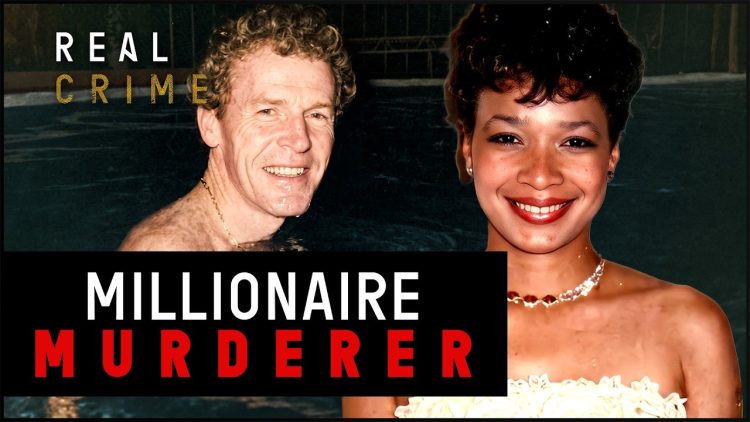
James Vincent Sullivan: Atlanta’s Most Cold-Blooded Divorce Plot
On 16 January 1987, the affluent community of Buckhead in Atlanta, Georgia, was rocked by a brazen morning execution. Lita McClinton Sullivan was murdered on the doorstep of her townhouse, just hours before a court hearing that could have awarded her a substantial portion of her husband’s wealth. It was a killing carried out in daylight, at the front door of a home in one of the city’s wealthiest neighbourhoods, and it was the beginning of a case that would take more than twenty years to close.
Suspicion immediately turned toward her estranged husband, multi-millionaire James Vincent Sullivan. The timing alone was damning: Lita was killed on the morning of a hearing that could have cost him a fortune. But suspicion is not proof, and the case against Sullivan collapsed again and again. A web of burner alibis, dismissed indictments and overturned civil verdicts kept justice out of reach, and Sullivan, who had the money to fight every step of the way, stayed free.
The film follows the investigation through its long, frustrating middle. The first clue came from a flower shop trail, and the film traces how investigators worked outward from it toward the murder-for-hire plot behind the killing. The first federal prosecution collapsed. A civil case produced a 4 million dollar verdict against Sullivan, and that verdict was overturned too. For years, the case looked like it would never be solved: a murder everyone believed they understood, and no one could prove.
The breakthrough came eleven years later, when a surprise witness came forward. The hitman himself spoke, and his account unmasked the plot and set investigators on Sullivan’s trail. By then Sullivan was gone, living first on the beaches of Costa Rica and then in a luxury hideout in Thailand, a fugitive who had spent two decades on the run. The film follows the international manhunt that tracked him down, and the final trial that brought the case to a verdict.
By the end, the film has become a story about patience as much as about murder. Justice in this case did not come quickly, and it did not come easily. It came because a witness finally spoke, because investigators kept the file open, and because a man who had run for twenty years eventually ran out of places to hide. The final verdict, the film shows, was not just the end of a case. It was the end of a divorce that had turned into a murder plot, and of a wait that had lasted half a lifetime.
What the Film Explores
The film explores the murder first, and it is the documentary’s foundation. Lita McClinton Sullivan was killed on her own doorstep, in the morning, hours before a court hearing about the division of her husband’s wealth. The film lays out the scene in detail: the affluent neighbourhood of Buckhead, the townhouse, the timing, and the immediate suspicion that fell on James Vincent Sullivan, the estranged multi-millionaire husband who stood to lose a fortune that day.
A second thread follows the investigation, and the film is at its most detailed here. The flower shop trail that gave investigators their first lead, the uncovering of the murder-for-hire plot, the burner alibis that muddied the trail, the dismissed indictments and the collapsed federal prosecution: the film works through the case step by step, showing how a case that looked straightforward became almost impossible to prove. The 4 million dollar civil verdict, and its overturning, is the film’s clearest illustration of how justice kept slipping away.
A third thread follows the breakthrough, and it is the film’s turning point. Eleven years after the murder, a surprise witness came forward, and the hitman spoke. The film treats this as the moment the case changed: from a cold file into a manhunt. Sullivan’s flight to Costa Rica and then to Thailand, and the twenty years he spent on the run, give the film its second half, and the international manhunt that tracked him to a luxury hideout in Thailand is told as a pursuit across continents.
Running through the film is the question of what justice costs when it takes twenty years. Lita Sullivan’s family waited through dismissed indictments, a collapsed prosecution and an overturned verdict, and the film does not pretend that the final verdict undoes any of that. Its closing argument is quieter: that the case was closed because people refused to let it go, and because a witness, eleven years later, finally decided to speak.
Key Themes & Topics Examined
- The murder of Lita McClinton Sullivan, 16 January 1987
- Buckhead, Atlanta, and a killing hours before a court hearing
- James Vincent Sullivan: the estranged multi-millionaire husband
- The flower shop trail, and the murder-for-hire plot
- Burner alibis, dismissed indictments and a collapsed prosecution
- A 4 million dollar civil verdict, overturned
- The hitman speaks: the breakthrough witness, eleven years later
- Twenty years on the run: Costa Rica, Thailand, and the final verdict
Production & Background
The film is a Real Crime production, part of the channel’s series of true crime documentaries. Real Crime is the documentary channel of Little Dot Studios, and its films follow real cases through the investigation, the courtroom and the aftermath, drawing on the record of what happened rather than on re-enactment.
The documentary’s subject is the murder of Lita McClinton Sullivan in Atlanta in 1987 and the two-decade pursuit of her husband James Vincent Sullivan, and its framing is the one the description gives: a brazen morning execution, a web of alibis and overturned verdicts, a surprise witness eleven years later, and an international manhunt from Costa Rica to Thailand that ended in a final verdict.
Recommended Companion Viewing
Explore authoritative investigative documentaries on related historical events and investigative subjects.

Birthday Party Trap That Led To A 13-Year-Old's Murder
Did Lizzie Borden Act Alone? The Disturbing New Timeline
Killer Husband Played The Victim And Lied On National TV
Frequently Asked Questions
What is the film about?
The murder of Lita McClinton Sullivan in Atlanta in 1987, and the twenty-year pursuit of her husband James Vincent Sullivan.
When was Lita Sullivan murdered?
On the morning of 16 January 1987, on the doorstep of her townhouse in Buckhead, Atlanta, hours before a court hearing about her husband’s wealth.
Why did the case take so long?
Burner alibis, dismissed indictments, a collapsed federal prosecution and an overturned 4 million dollar civil verdict kept justice out of reach for years.
What broke the case?
A surprise witness came forward eleven years later, and the hitman spoke, unmasking the murder-for-hire plot.
Where did Sullivan run to?
He fled first to the beaches of Costa Rica and then to a luxury hideout in Thailand, spending twenty years on the run before he was tracked down.







