
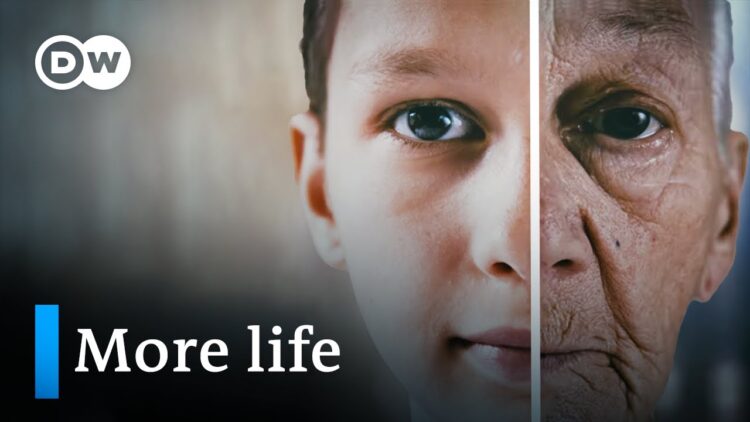
More Life – Decoding the Secret of Aging
Some people live past 100 with their health intact. Some scientists think the rest of us could too — not by luck, but by understanding what ageing actually is. This DW Documentary follows the researchers trying to slow it down, and even reverse it.
The film travels from the Blue Zones — places like Costa Rica’s Nicoya Peninsula, where centenarians are common and telomeres are longer — to the labs of Maria Blasco, Manuel Serrano, Steve Horvath, and Greg Fahy. Their work covers telomeres, senescent or zombie cells, Horvath’s epigenetic clock, and Fahy’s research on the thymus gland, which has shown potential for reversing biological age. It also looks at the money pouring in from bio-startups and tech companies, and at the harder question: if we all lived much longer, what would that do to society?
Key Themes & Topics Examined
- How ageing works: telomeres, senescent cells, and the epigenetic clock.
- Blue Zones, and what centenarians in Nicoya can teach researchers.
- The race to reverse ageing, and who is funding it.
- Measuring biological age, and what the numbers mean.
- The ethics of a much longer life: population, resources, and fairness.
Archival & Investigative Sources
- Research findings from scientists such as Luis Rosero-Bixby, Maria Blasco, Manuel Serrano, Steve Horvath, and Greg Fahy.
- Observations from Blue Zones and their populations.
- Perspectives from biohackers and figures within the anti-aging industry.
- Commentary from criminal biologist Mark Benecke on the societal implications of anti-aging research.
Recommended Companion Viewing
Explore authoritative investigative documentaries on related historical events and investigative subjects.

Art Supplies How It's Made
The Biggest Chemical Coverup In History
You've (Likely) Been Playing The Game Of Life Wrong
NASA’s SpaceX Crew-12 Pre-Departure News Conference
Frequently Asked Questions
What is the primary focus of the documentary?
The documentary focuses on scientific research into the aging process, exploring methods to potentially reverse or halt it and the implications for human health and society.
Which scientific concepts are discussed in relation to aging?
Key scientific concepts discussed include telomeres, senescent cells (also referred to as zombie cells), and the epigenetic clock.
Are there specific geographical locations highlighted in the research?
The Nicoya Peninsula in Costa Rica, known as a Blue Zone due to its high number of centenarians, is highlighted as a location of interest for longevity research.
What are some of the ethical considerations raised by anti-aging research?
The documentary raises questions regarding the ethical implications of intervening with natural biological processes and the potential impact of an extended human lifespan on global resources and population.

