Road to WW2: 1937
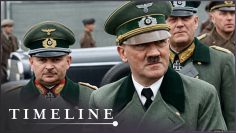
This documentary examines the global political and military landscape of 1937, a period characterized by escalating conflicts and the formation of alliances that would precede World War II. It focuses on specific events that demonstrated the destructive potential of modern warfare and the international community’s response to these developments.
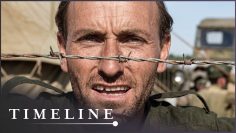
The program details civilian massacres in Ethiopia, the bombing of Guernica during the Spanish Civil War, and the ‘Rape of Nanking’ in China. It analyzes how reports and images of these events were received internationally, particularly in Britain, France, and the USA, which maintained policies of non-intervention. The documentary explores the geopolitical shifts and the alignment of powers during this year, indicating a progression towards a larger global conflict.
Key Themes & Topics Examined
- The escalation of international conflicts in 1937.
- The impact of civilian casualties in modern warfare.
- The policy of non-intervention adopted by Western powers.
- The formation of pre-World War II alliances.
- Specific historical events: the Ethiopian conflict, the bombing of Guernica, and the ‘Rape of Nanking’.
Archival & Investigative Sources
- Historical consultant: Professor Richard Overy of the University of Exeter.
- Recommended reading includes works by Richard Overy, Antony Beevor, Max Hastings, and Andrew Roberts, focusing on the inter-war crisis and World War II.
Recommended Companion Viewing
Explore authoritative investigative documentaries on related historical events and investigative subjects.

1942: The Complete Story Of The Battle Of Stalingrad
Road to WW2: 1938
U-Boat Wargamers: The Mastermind
Uncensored Footage From 1942: The Deadliest Year Of WW2
Frequently Asked Questions
What significant conflicts are highlighted in the documentary for 1937?
The documentary highlights the civilian massacre in Ethiopia, the bombing of Guernica in Spain, and the ‘Rape of Nanking’ in China as key conflicts of 1937.
What was the policy of Britain, France, and the USA regarding these conflicts?
Britain, France, and the USA maintained a policy of ‘non-intervention’ in response to these conflicts.