The Complete History Of The Colosseum: 2,000-Year-Old Engineering Marvel
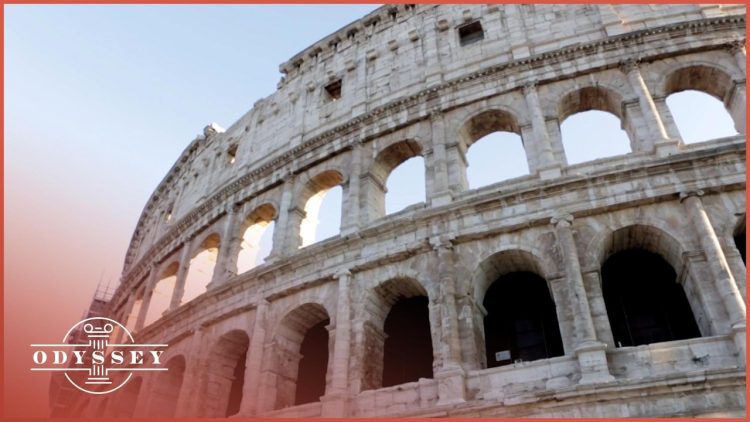
Completed in 80 AD, the Colosseum held an estimated 50,000 to 80,000 spectators — and it was built without modern machinery. This Odyssey film traces how Roman engineers put it up, from concrete, stone and brick to the logistics of assembling a structure on that scale.
Inside, the arena hosted gladiatorial contests, animal hunts, executions, re-enactments of famous battles and dramas drawn from classical mythology. The film also sets the Colosseum in its political context: a symbol of imperial power, a place of public entertainment, and a tool of social control.
Key Themes & Topics Examined
- Roman architectural and engineering techniques
- The Colosseum’s social and political functions
- Gladiatorial contests and public spectacles
- Materials and construction without modern machinery
- The Colosseum as a symbol of imperial power
Archival & Investigative Sources
- Historical texts and archaeological findings related to the Colosseum
- Reconstructions and visual representations of ancient Roman construction
- Expert commentary on Roman engineering and societal practices
Recommended Companion Viewing
Explore authoritative investigative documentaries on related historical events and investigative subjects.

El Dorado: The Search for the Lost City of Gold
Alexandria: At the Crossroads of History
Frequently Asked Questions
What was the primary purpose of the Colosseum?
The Colosseum was primarily used for public spectacles, including gladiatorial contests, animal hunts, mock naval battles, executions, and re-enactments of famous battles and mythological dramas.
How many people could the Colosseum accommodate?
The Colosseum was designed to accommodate between 50,000 and 80,000 spectators, making it one of the largest amphitheaters of the ancient world.
What materials were used in the construction of the Colosseum?
The Colosseum was constructed using a combination of concrete, travertine limestone, tuff, and brick-faced concrete.