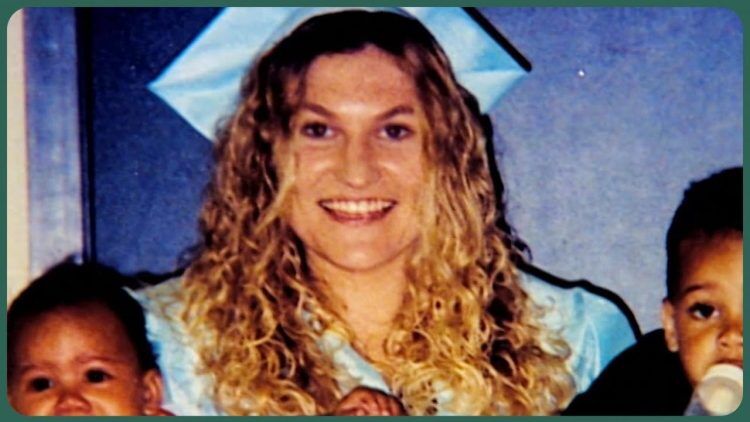
The DNA Mystery: How a Mother Proved Science Wrong
Two mothers were told by DNA tests that they were not the biological mothers of their own children. This film follows Lydia Fairchild, who fought to keep custody of her children, and Karen Keegan, who discovered the truth while searching for a kidney donor — and the rare condition behind both cases: human chimerism, in which one person carries two distinct sets of DNA.
Chimerism, the film explains, often results from the fusion of two embryos in early development. The film sets out the science, and the problems it creates for forensic science, legal systems and personal identity when a DNA test gives an answer that is technically correct and humanly wrong.
Key Themes & Topics Examined
- Human chimerism and how it occurs
- Lydia Fairchild’s custody fight
- Karen Keegan’s kidney donor search
- DNA testing and parental identification
- Chimerism, forensics and personal identity
Archival & Investigative Sources
- Case studies of Lydia Fairchild and Karen Keegan.
- Expert commentary from geneticists and legal professionals.
- Documentation of legal proceedings related to DNA evidence.
- Medical records pertaining to chimerism diagnoses.
Recommended Companion Viewing
Explore authoritative investigative documentaries on related historical events and investigative subjects.

Osteoarthritis - New Hope for the Knee
Caught in India’s AIDS Crisis
Living with Dwarfism and Fighting Prejudice
The Intestine - The Body’s Underappreciated Control Center and Gut Health
Frequently Asked Questions
What is human chimerism?
Human chimerism is a rare condition in which an individual possesses cells from two or more different zygotes, resulting in two or more distinct cell lines with different genetic compositions within a single body. This can occur naturally, for example, through the fusion of two non-identical twin embryos in the womb.
How does chimerism affect DNA testing?
Chimerism can lead to discrepancies in DNA test results because different tissues or organs within the same individual may contain different genetic profiles. For instance, a person’s blood DNA might differ from the DNA found in their skin or reproductive cells, potentially causing DNA tests to incorrectly exclude them as a biological parent or relative.
What are the legal implications of chimerism in paternity/maternity cases?
In legal contexts, particularly those involving paternity or maternity disputes, chimerism can complicate DNA evidence. If a parent is a chimera, standard DNA tests might indicate they are not biologically related to their child, even if they are. This can lead to legal challenges regarding parental rights, custody, and inheritance, necessitating more extensive genetic analysis to confirm biological relationships.