Living with Dwarfism and Fighting Prejudice
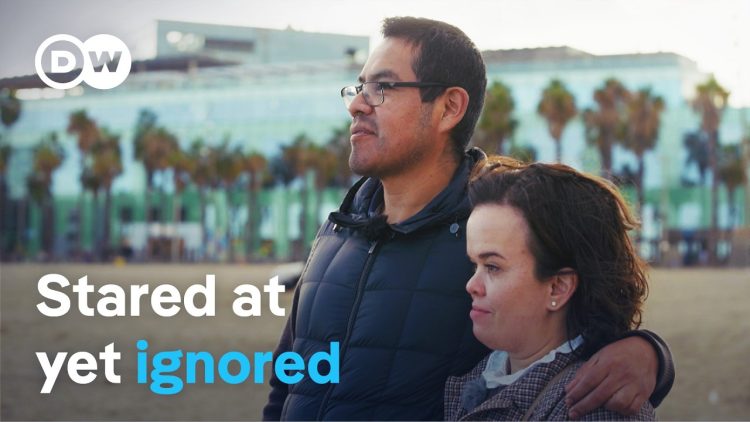
Prejudice is not always loud. Often it arrives as a stare on the street, a joke that nobody challenges, a door that was never built with you in mind. This DW Documentary follows three people with dwarfism who have decided, each in their own way, to push back: Yesica Expósito Alvarez, an activist in Spain; Simone Fischer, a politician in Germany; and Mick Morris Mehnert, an actor, also in Germany. Their lives are very different, but they share the same daily experience of being seen first as a condition and only second as a person.
In Spain, Yesica Expósito Alvarez has turned activism into law. She campaigned against the exploitation of people with disabilities in entertainment, including the so-called comic bullfights in which people with dwarfism were put on display for laughs, and her work helped bring about legislation against that practice. She also advocates for specialised healthcare, arguing that medical systems designed for average-sized bodies routinely fail people whose bodies are different. Her story is one of persistence: changing a law means changing what a whole country considers acceptable, and that work is slow, public, and often unpopular.
In Germany, Simone Fischer has taken the fight into parliament, becoming the first woman with dwarfism to serve in the German parliament. Her presence there is itself a statement, but the film shows her doing the unglamorous work of politics: arguing for an inclusive society, pushing for structures that do not exclude people by design, and encouraging young women, especially young women with disabilities, to see political engagement as something that belongs to them too. Role models matter, the film suggests, not because they are inspirational in the abstract, but because they make a path visible that was invisible before.
Mick Morris Mehnert fights on a third front: the screen and the stage. As an actor, he has spent his career resisting the narrow, often demeaning roles written for people with dwarfism, and pushing for portrayals with the same depth and range given to anyone else. He is developing his own web series as a way of telling stories on his own terms, rather than waiting for the industry to catch up. His argument is simple and hard to dismiss: representation is not a favour, it is a question of who gets to be a full person in the stories a society tells about itself.
What the Film Explores
The film moves between its three subjects to build a picture of prejudice as something structural rather than personal. It is not only about rude remarks or staring; it is about laws that had to be changed, buildings and institutions designed without certain bodies in mind, and an entertainment industry that has long treated disability as a punchline. By following people who are changing those structures from the inside, the documentary shows what advocacy actually looks like day to day: meetings, drafts, rehearsals, setbacks, and small victories that accumulate.
It also explores the cost of being visible. All three of its subjects have chosen public lives, and the film does not pretend that choice is easy. Being the first, or the one who speaks up, means being watched, judged, and sometimes attacked. What keeps them going, the film suggests, is the knowledge that visibility itself is the work: every time a young person with dwarfism sees someone like them in parliament, on stage, or changing a law, the world gets a little wider.
Key Themes & Topics Examined
- Legislation against the exploitation of individuals with disabilities in entertainment, including comic bullfights in Spain.
- Advocacy for specialised healthcare tailored to the needs of people with dwarfism.
- Political representation and the promotion of inclusive societal structures in Germany.
- The importance of role models for young people with disabilities.
- Challenging stereotypes in media and promoting diverse portrayals of disability.
- The impact of prejudice on daily life, work, and professional opportunities.
- The personal cost and the public value of choosing a visible, campaigning life.
Archival & Investigative Sources
- Interviews with activists, politicians, and actors with dwarfism.
- Documentation of legislative processes in Spain concerning disability rights.
- Observation of political advocacy efforts in Germany.
- Examination of media productions and personal projects aimed at raising awareness.
Recommended Companion Viewing
Explore authoritative investigative documentaries on related historical events and investigative subjects.

Osteoarthritis - New Hope for the Knee
The DNA Mystery: How a Mother Proved Science Wrong
Caught in India’s AIDS Crisis
Life on the Autism Spectrum (2/2)
Frequently Asked Questions
What specific legislative change is highlighted in Spain?
The documentary highlights legislation spearheaded by Yesica Expósito Alvarez that prohibits the exploitation of people with disabilities for entertainment, specifically mentioning the cessation of comic bullfights featuring individuals with dwarfism.
What is Simone Fischer’s primary focus as a member of the German parliament?
Simone Fischer advocates for a society that is inclusive of all individuals and works to encourage young women, particularly those with disabilities, to pursue political involvement and leadership roles.
How does Mick Morris Mehnert address stereotypes in media?
Mick Morris Mehnert, an actor, advocates for more nuanced and diverse portrayals of people with disabilities in film and theater. He is also producing his own web series to raise awareness and challenge existing stereotypes.
What connects the three people in the film?
All three are people with dwarfism who have chosen public, campaigning lives: one changed the law in Spain, one entered parliament in Germany, and one is changing how disability is portrayed on screen and stage.