The Future of Education – Virtual Learning
What if children could learn without a classroom at all? This DW Documentary follows Indian education expert Sugata Mitra as he tries to build a school that works entirely online, using cloud-based resources to reach places where ordinary schooling is hard to provide.
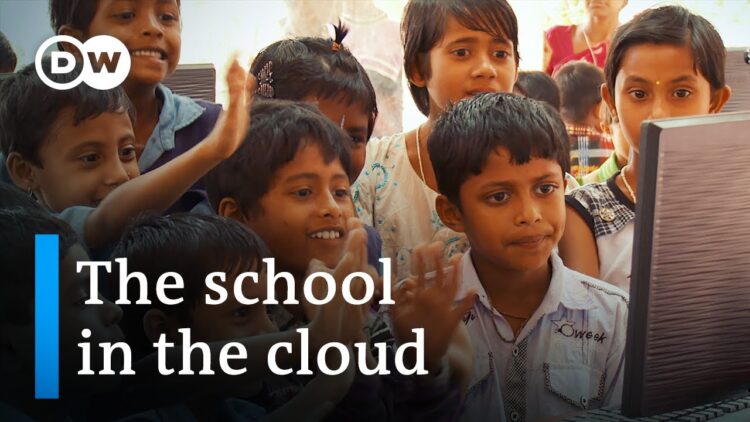
The experiment centres on a kiosk in an Indian village, converted into a virtual learning space. Children there get computers and internet access, learn on their own, and talk to people around the world, while the film watches how they engage and what the approach might mean for their futures.
Key Themes & Topics Examined
- Technology expanding access to education
- Self-directed learning without adult supervision
- Internet access for children in remote communities
- The challenges and opportunities of virtual schooling
- The future of education in a connected world
Archival & Investigative Sources
- Observation of Sugata Mitra’s educational experiment in an Indian village
- Documentation of children using computers and the internet
- Interviews with participants in the virtual learning project
Recommended Companion Viewing
Explore authoritative investigative documentaries on related historical events and investigative subjects.

The NVIDIA Scandal Goes Deeper than You Think
Before the Foldable, Apple Copied This Phone
The Poor, The Banks & Digital Money
Why Building AI Data Centres Isn’t Working Anymore
Frequently Asked Questions
What is the primary objective of Sugata Mitra’s experiment?
The primary objective is to demonstrate the feasibility and impact of a virtual school model in providing education to children in areas where traditional schooling is difficult to access.
How does the virtual school operate?
The virtual school operates through a kiosk equipped with computers and internet access, allowing children to learn independently and connect with educational resources and individuals worldwide.