World’s Toughest Trains: Surviving the Most Extreme Railways on Earth
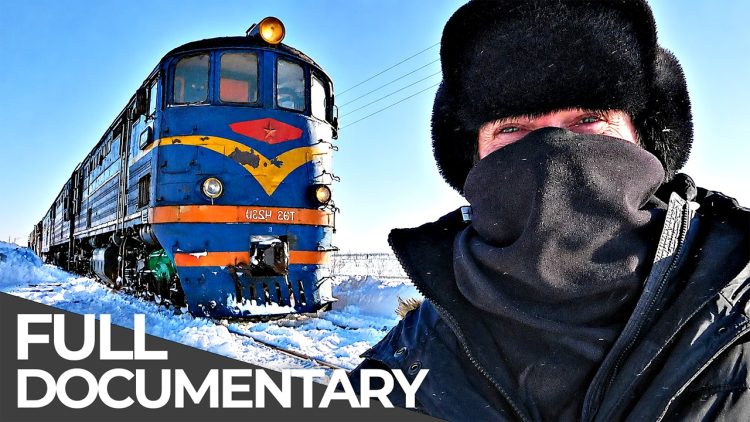
Some railways cross deserts, others climb mountains; all of them have to keep running when the weather and the terrain are against them. This film rides the world’s toughest trains — through Siberia, Vietnam, Bolivia and India — and shows what it takes to keep them moving: the engineering that holds the lines together, the crews who work them, and the passengers whose lives depend on them.
Each route has its own challenge, from frozen tracks to steep gradients and worn-out infrastructure, and each journey can stretch far beyond a normal trip. The film follows the daily routines of drivers and conductors and the people along the line, showing how a railway becomes the lifeline of a region that has no other way in or out.
Key Themes & Topics Examined
- Railway lines in Siberia, Vietnam, Bolivia and India.
- Engineering and logistics in extreme climates and terrain.
- The daily routines of train crews and passengers on long journeys.
- The social and economic role of railways in remote regions.
- Adaptation and resilience in keeping the trains running.
Archival & Investigative Sources
- On-location filming of railway operations and surrounding environments.
- Interviews with railway personnel and local populations.
- Observational footage of train journeys and daily life along the routes.
Recommended Companion Viewing
Explore authoritative investigative documentaries on related historical events and investigative subjects.

Venezuela in the midst of the US military intervention - Notes from Caracas
Former Trump NSA on the Murder of Khashoggi
Immigration Under President Trump’s First Term: Kids Caught in the Crackdown
Iran: Diary from a warzone
Frequently Asked Questions
What regions are covered in the documentary?
The documentary covers railway systems in Siberia, Vietnam, Bolivia, and India.
What is the primary focus of the program?
The primary focus is on the operational challenges and human experiences associated with extreme railway journeys in diverse global environments.