What Did Britain’s First Stone Age Farmers Really Look Like?
This documentary investigates the understanding of Neolithic Britain, focusing on the appearance and characteristics of its early farming populations. It examines how new forensic science techniques are re-evaluating established archaeological interpretations of this period.
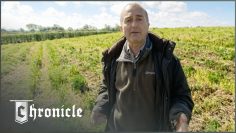
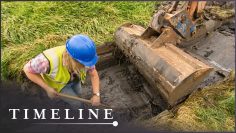
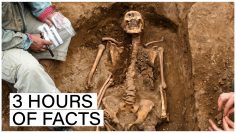
Archaeologist Julian Richards revisits significant excavation sites in Britain, including the Dorset Cursus and the tombs of Orkney. The program highlights the application of modern forensic science to archaeological remains, such as the burial of the “Cranborne Woman” in Dorset and fragmented remains found in Orkney’s chambered tombs, to reconstruct information about individuals from over 5,000 years ago.
Key Themes & Topics Examined
- Re-evaluation of Neolithic British history
- Application of modern forensic science in archaeology
- Analysis of human remains from the Stone Age
- Archaeological sites in Dorset and Orkney
- The lifestyle and appearance of Britain’s first farmers
Archival & Investigative Sources
- Archaeological excavation sites in Britain
- Human remains from Neolithic burials
- Forensic scientific analysis
- Expert commentary from archaeologist Julian Richards
Frequently Asked Questions
What is the primary focus of the documentary?
The documentary focuses on re-examining the understanding of Neolithic Britain’s early farming populations through the application of modern forensic science to archaeological discoveries.
Which archaeological sites are featured in the program?
The program features sites such as the Dorset Cursus, the tombs of Orkney, and the burial site of the “Cranborne Woman” in Dorset.
What scientific methods are employed in the investigation?
Modern forensic science techniques are employed to analyze ancient human remains and archaeological evidence.
Who is the main presenter in the documentary?
The main presenter is archaeologist Julian Richards.