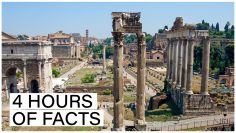
150,000 Km: Inside The Ancient Rome’s Longest Roads
This documentary examines the extensive infrastructure developed by Ancient Rome, focusing on the engineering feats that facilitated the expansion and maintenance of its empire. It explores the methods and technologies employed by Roman civil engineers to construct a vast network of roads and other significant structures across Italy.
The program investigates specific examples of Roman engineering, including the subterranean hydraulic systems influenced by Etruscan practices and the 150,000-kilometer road network, with particular attention given to the Via Appia. Further exploration includes the imperial port of Portus, the 11-year drainage project of Lake Fucino, and the submerged luxury villas of Baiae.
Key Themes & Topics Examined
- Roman civil engineering principles and practices
- The development and impact of the Roman road network
- Hydraulic engineering and water management in Ancient Rome
- Large-scale infrastructure projects, such as ports and land reclamation
- The integration of engineering with imperial expansion and administration
Archival & Investigative Sources
- Historical sites and archaeological evidence of Roman infrastructure
- Analysis of Roman engineering techniques and materials
- Geographical and topographical studies of ancient Roman construction areas
Recommended Companion Viewing
Explore authoritative investigative documentaries on related historical events and investigative subjects.

How Ancient Greece Shaped The Buddha's First Image
The Complete History Of Early Christianity In The Roman Empire
Frequently Asked Questions
What was the approximate length of the Roman road network?
The Roman road network is estimated to have extended approximately 150,000 kilometers.
Which major Roman road is highlighted in the documentary?
The Via Appia is specifically highlighted as a key component of the Roman road network.
What other significant engineering projects are discussed?
The documentary discusses the imperial port of Portus, the drainage of Lake Fucino, and the submerged villas of Baiae.