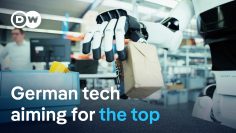
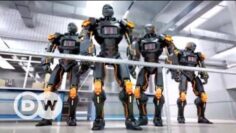
Will Robots Steal Our Jobs? The Future of Work (1/2)
Will robots steal our jobs? The first part of this DW Documentary starts with the question that worries workers in every industry — and finds that the answer is already taking shape on factory floors.
The film introduces Industry 4.0: automation and data exchange in manufacturing, where cyber-physical systems, the Internet of Things, and cloud computing link machines together. It looks at how intelligent machines are moving into workplaces, the economic reasons employers choose them — lower labour costs, higher efficiency — and the social cost that follows when jobs disappear. The challenge, it argues, is not just technological, but political: how a society copes when a large part of its workforce is automated away.
Key Themes & Topics Examined
- Artificial intelligence in the workplace, and where it is heading.
- Industry 4.0, and how it is transforming industrial production.
- Job displacement from automation and robotics.
- The economics of automation: cost, efficiency, and labour.
- What an automated workforce means for society.
Archival & Investigative Sources
- Interviews with software company owners and industry experts.
- Analysis of current trends in automation and data exchange.
- Examination of the impact of digital technologies on employment.
Recommended Companion Viewing
Explore authoritative investigative documentaries on related historical events and investigative subjects.

From Smartphones to E-Cars - How Important is the Lithium-Ion Battery?
Hackers, Malware and the Darknet - The Fatal Consequences of Cyberattacks
Something is jamming GPS over Europe. Here's what we found
The Secret Spy Tech Inside Every Credit Card
Frequently Asked Questions
What is Industry 4.0?
Industry 4.0 refers to the current trend of automation and data exchange in manufacturing technologies, encompassing cyber-physical systems, the Internet of Things, and cloud computing.
How might artificial intelligence affect employment?
Artificial intelligence could lead to job displacement as machines become capable of performing tasks previously done by humans, potentially impacting various industries beyond manufacturing.
What are the economic drivers behind increased automation?
Employers may adopt automation to minimize labor costs and improve efficiency, as intelligent machines can perform tasks without the associated expenses of human workers.