Archeologists Unearth 2,300-Year-Old Iron Age Burial Sites
This documentary examines the reinterpretation of the British Iron Age, traditionally characterized by conflict, through contemporary archaeological and forensic methodologies. It focuses on how recent scientific advancements are contributing to a revised understanding of this historical period.
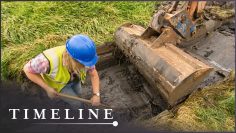
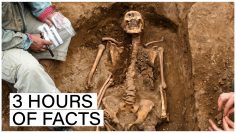
The program features archaeologist Julian Richards, who investigates two specific 2,300-year-old Iron Age burial sites. These include the discovery of a teenage girl in Dorset and the elaborate grave of a high-status woman, identified as the “Chariot Queen” of Wetwang, interred with a functional chariot. The documentary explores the implications of these findings for understanding Iron Age society.
Key Themes & Topics Examined
- Reassessment of the British Iron Age narrative
- Application of forensic science in archaeology
- Analysis of Iron Age burial practices
- Social stratification in prehistoric Britain
- The significance of the “Chariot Queen” discovery
Archival & Investigative Sources
- Archaeological excavations at Iron Age burial sites
- Forensic analysis of human remains and artifacts
- Research conducted by archaeologist Julian Richards
Frequently Asked Questions
What is the primary focus of the documentary?
The documentary primarily focuses on the re-evaluation of the British Iron Age through modern archaeological and forensic discoveries, specifically examining two significant burial sites.
Who is Julian Richards?
Julian Richards is an archaeologist featured in the documentary, known for his work in revisiting and interpreting Iron Age burial sites.
What are the two main burial sites discussed?
The documentary discusses the burial site of a teenage girl found in Dorset and the grave of a high-status woman, known as the “Chariot Queen,” discovered in Wetwang.