





Deadly Bite: Nature’s Most Toxic Animals
This documentary explores the use of venom, poison, and toxic defense mechanisms within the natural world. It examines how various species employ these biological tools for both predation and self-protection.
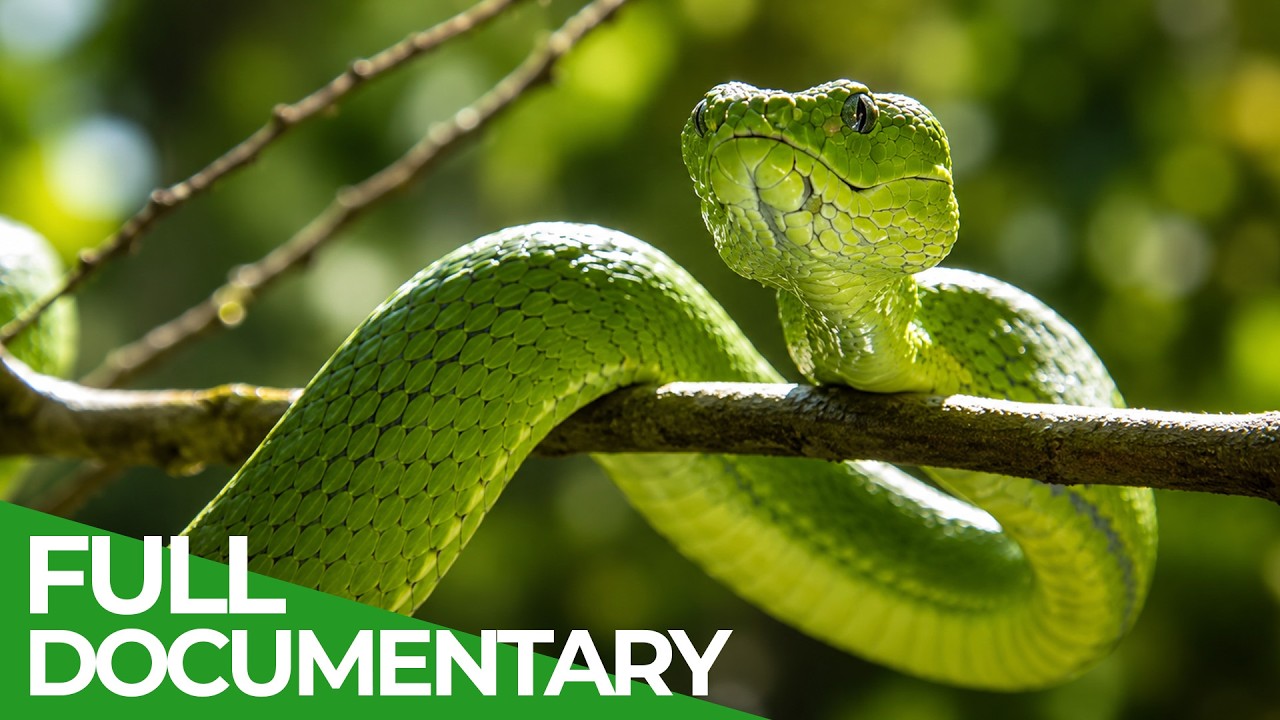
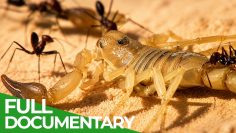
The program investigates specific examples of toxic animals, including scorpions, which utilize neurotoxins for subduing prey, and Komodo dragons, known for their venomous bites. It also covers army ants, which employ chemical forces, and vipers, recognized for their precise strikes. Beyond predatory applications, the documentary addresses how organisms such as stingrays, slow lorises, caterpillars, and certain plants have developed poisonous defenses to deter threats.
Key Themes & Topics Examined
- The dual function of toxins in nature: hunting and defense.
- Specific examples of venomous and poisonous animals and their mechanisms.
- The evolutionary development of toxic defenses in various species.
- Neurotoxins and their effects on prey.
- Chemical warfare in the animal kingdom.
Archival & Investigative Sources
- Footage of various toxic animals in their natural habitats.
- Illustrations of venom delivery systems and toxic defense mechanisms.
- Expert commentary on animal behavior and biological adaptations.
Recommended Companion Viewing
Explore authoritative investigative documentaries on related historical events and investigative subjects.

The Wild Heart Of Spain
Wild Attraction

Destination Wild: The Sahara

Growing Up Wild
Frequently Asked Questions
What is the primary focus of the documentary?
The documentary focuses on the diverse ways animals and plants utilize venom, poison, and other toxic substances for survival, both in hunting and defense.
Which animals are featured as examples of toxic species?
Featured animals include scorpions, Komodo dragons, army ants, vipers, stingrays, slow lorises, and caterpillars, among others.
Does the documentary differentiate between venom and poison?
The documentary addresses both venom (injected toxins) and poison (toxins absorbed or ingested), as well as other forms of toxic defense.