





Extreme Nature: Earth’s Wildest Frontiers
This documentary explores the survival mechanisms of various animal species inhabiting Earth’s most challenging environments. It focuses on how these creatures have adapted to conditions that appear to be inhospitable for life.
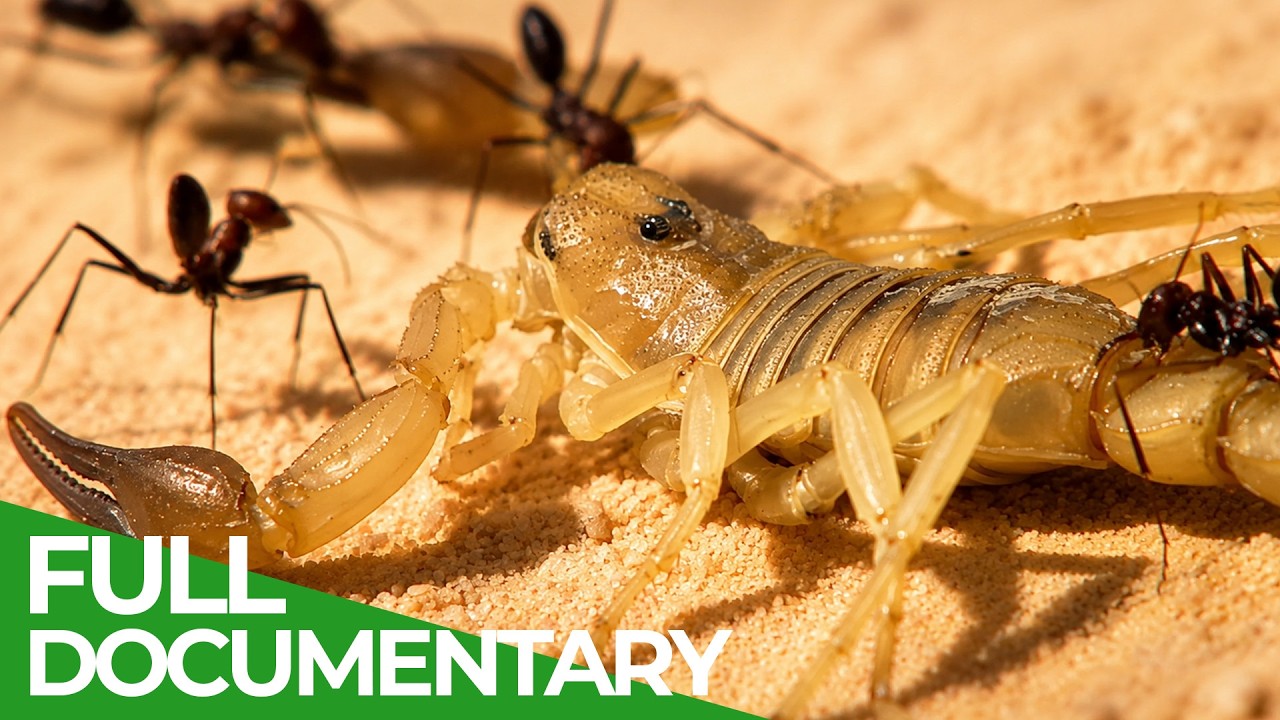
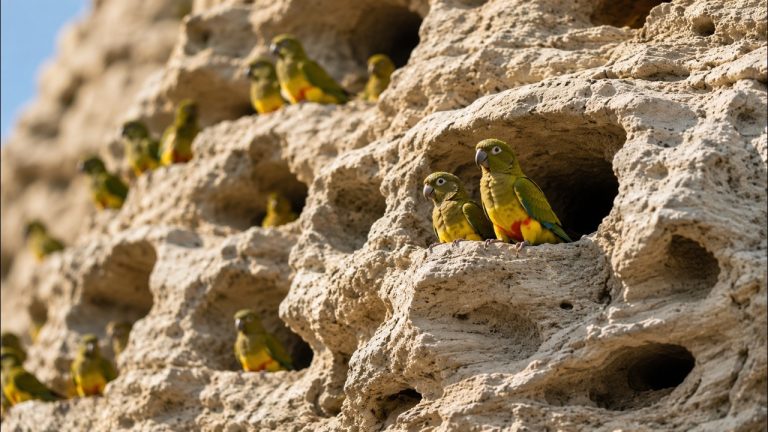
The program examines specific examples of adaptation, including snub-nosed monkeys in freezing mountain forests, sandfish in desert environments, polar bears on Arctic ice, and desert ants navigating extreme heat. It covers diverse habitats such as volcanic ash zones, caustic salt lakes, frozen valleys, underwater ecosystems, and high mountain cliffs, illustrating the evolutionary strategies employed by these animals to endure environmental pressures.
Key Themes & Topics Examined
- Animal adaptation to extreme climates and terrains.
- Examples of species-specific survival strategies in harsh environments.
- The role of natural selection in shaping wildlife in challenging habitats.
- Biodiversity in extreme ecosystems.
- The physiological and behavioral adaptations of animals to environmental stressors.
Archival & Investigative Sources
- Field observations of wildlife in extreme habitats.
- Footage documenting animal behavior and survival techniques.
- Scientific research on ecological adaptation.
Recommended Companion Viewing
Explore authoritative investigative documentaries on related historical events and investigative subjects.
The Wild Heart Of Spain
Nature's Social Network

Viper Queens

Destination Wild: The Sahara
Frequently Asked Questions
What types of extreme environments are featured in the documentary?
The documentary features a range of extreme environments, including freezing mountain forests, deserts, Arctic ice, volcanic ash zones, caustic salt lakes, frozen valleys, underwater habitats, and high mountain cliffs.
Which animal species are highlighted for their survival skills?
Highlighted species include snub-nosed monkeys, sandfish, polar bears, and desert ants, among others that have developed specialized adaptations to their respective extreme habitats.