From Hate to Peace – The Power of Reconciliation
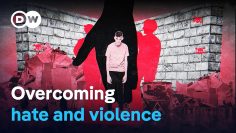
Reconciliation is easy to praise and hard to practise. It asks a victim to sit across from the person who harmed them, a political opponent to listen instead of argue, and a young person to trust someone from a community they were taught to fear. This DW Documentary follows people doing exactly that in three very different places: Colombia, the United States, and Germany. The settings are different, but the question is the same — what does it actually take to turn hate into peace?
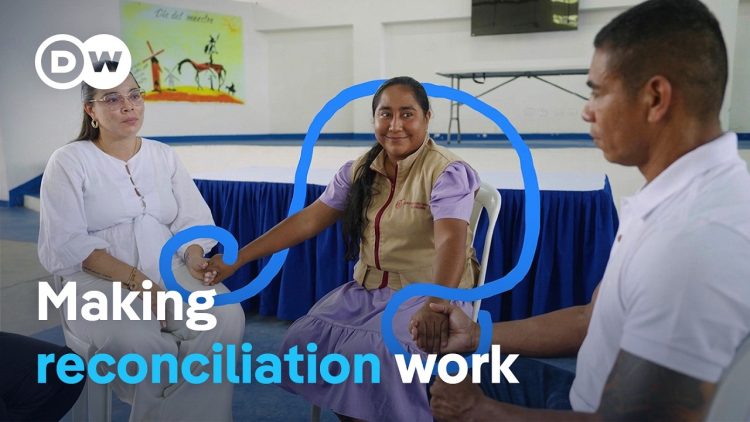
In Colombia, the film follows Kelly Diaz, who meets the man who killed her father as part of a reconciliation project started by social entrepreneur Tobias Merckle. The project brings victims and perpetrators together not only to talk, but to work side by side rebuilding war-damaged communities. The film does not present this as a simple or painless process. It shows the difficulty of the encounter itself, and the slow, practical work of rebuilding that follows it: a shared task can do what words alone cannot, giving two people who were enemies a reason to depend on each other.
In the United States, the focus shifts to political division. The Braver Angels initiative runs workshops that bring people with opposing political views into the same room and teach them to listen and debate with respect rather than contempt. The film shows how quickly political disagreement in America has hardened into something more personal, and how deliberately the workshops have to work against that hardening: structured listening, rules for conversation, and the insistence that the person across the table is an opponent, not an enemy.
In Germany, the work starts younger. YouthBridge brings together young people from diverse religious and cultural backgrounds, aiming to prevent polarization before it sets in. The participants are trained as multipliers, young people who carry what they learn back into their own schools and communities and start social and cultural projects of their own. The idea is that peace is not only made by diplomats and activists, but by teenagers who learn early that difference is not a threat.
What the Film Explores
The film’s strength is in showing reconciliation as a method rather than a feeling. Each of the three projects has a structure: a meeting, a set of rules, a shared task, a skill to practise. Forgiveness and taking responsibility are part of the story, but the documentary is equally interested in the psychology and the practicalities — what makes a person willing to sit down in the first place, what keeps them there when it gets hard, and what changes afterwards, in them and in the community around them.
It also makes a quiet argument about scale. A victim meeting a perpetrator in Colombia, a workshop in an American town, a youth project in a German city: none of these will end a war or heal a country on their own. But the film suggests that peace is built in exactly these small, repeatable encounters, and that the skills they teach — listening, responsibility, working together — are the same skills a divided society needs at every level.
Key Themes & Topics Examined
- The process of reconciliation between victims and perpetrators, including Kelly Diaz meeting her father’s killer in Colombia.
- Strategies for addressing and mitigating political polarization, through the Braver Angels workshops in the United States.
- The role of dialogue in bridging religious and cultural divides, through YouthBridge in Germany.
- Community-based initiatives for peacebuilding and social cohesion.
- The psychological and social benefits of forgiveness and taking responsibility.
- Rebuilding war-damaged communities as shared, practical work.
- Training young people as multipliers for social and cultural projects.
Archival & Investigative Sources
- Interviews with participants in reconciliation projects.
- Documentation of workshops and community initiatives, including Braver Angels and YouthBridge.
- Testimonies from individuals directly affected by conflict and division.
- Insights from social entrepreneurs and project organizers, including Tobias Merckle.
Recommended Companion Viewing
Explore authoritative investigative documentaries on related historical events and investigative subjects.

Frequently Asked Questions
What is the primary focus of the documentary?
The documentary focuses on various initiatives and approaches to reconciliation, aiming to bridge divides caused by hate, exclusion, and political or religious differences.
Which geographical regions are covered in the documentary?
The documentary covers reconciliation efforts in Germany, the United States, and Colombia.
What types of reconciliation are explored?
The documentary explores reconciliation between victims and perpetrators, political opponents, and individuals from different religious and cultural backgrounds.
How does the Colombian project work?
Victims and perpetrators meet and then collaborate on rebuilding war-damaged communities, so that reconciliation is built through shared practical work as well as conversation.
What is YouthBridge?
YouthBridge is a German project that brings together young people from diverse religious and cultural backgrounds to prevent polarization, and trains them as multipliers who start social and cultural projects in their own communities.