
King Thutmose II’s Lost Tomb Discovered
King Thutmose II ruled Egypt for only about three years, in the early 15th century BCE, and his tomb was lost for millennia. This segment follows the archaeological hunt for it, and the desert detective work that goes into finding a pharaoh’s burial place.
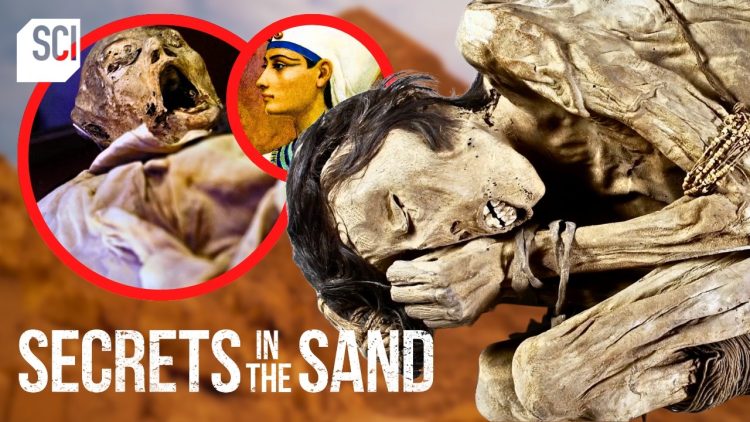
The story ranges beyond Egypt, touching on the Marree Man geoglyph in Australia and a large-scale mummy discovery, before returning to the ‘Screaming Mummy’ legend and the evidence from the dig. It is a look at how archaeologists read tombs, texts and human remains to reconstruct the world of the 18th Dynasty.
Key Themes & Topics Examined
- The search for the lost tomb of Thutmose II
- Archaeological methods in desert environments
- Pharaonic burial practices of the 18th Dynasty
- The Marree Man geoglyph in Australia
- The ‘Screaming Mummy’ legend and forensic analysis of mummies
Archival & Investigative Sources
- Archaeological site excavations
- Historical texts and records pertaining to ancient Egypt
- Forensic analysis of mummified remains
- Geological and geographical surveys of desert regions
Recommended Companion Viewing
Explore authoritative investigative documentaries on related historical events and investigative subjects.

Archeologists Investigate Mesoamerica's Epic Ancient Megacities
Facts About The Roman Empire
Lost Books and the Ancient Mysteries They Would Solve
Frequently Asked Questions
Who was King Thutmose II?
King Thutmose II was the fourth pharaoh of the Eighteenth Dynasty of Egypt. He ruled for a short period, approximately three years, in the early 15th century BCE.
What is the significance of discovering a pharaoh’s tomb?
The discovery of a pharaoh’s tomb provides direct archaeological evidence of ancient Egyptian burial practices, royal lineage, and the material culture of the period, contributing to a more comprehensive understanding of ancient Egyptian history and society.
What is the Marree Man geoglyph?
The Marree Man is a geoglyph, a large-scale artwork etched into the ground, located in South Australia. Its origin and creator remain unknown, making it a subject of ongoing investigation and speculation.