
Lizzie Borden: True Story of America’s Most Famous Double Murder
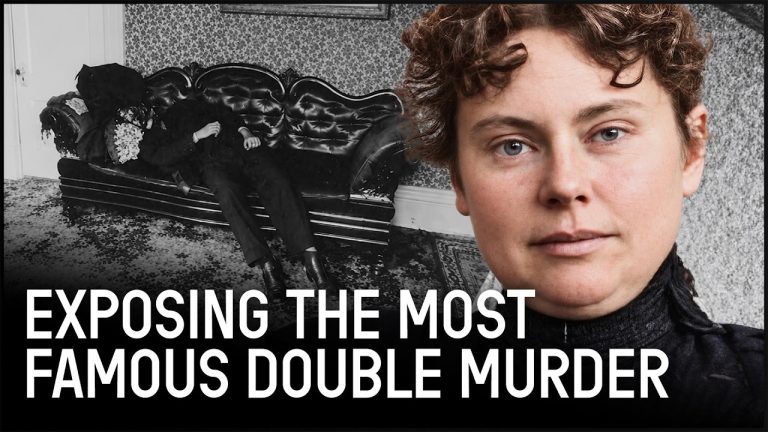
On a hot August morning in 1892, Andrew and Abby Borden were found murdered in their Fall River home, killed with an axe. There was no forced entry, no sign of a stranger — and the prime suspect was the victims’ own daughter, Lizzie. This film reconstructs the discovery of the bodies, the investigation that followed, and the trial that became a national sensation.
The evidence against Lizzie was circumstantial: she was in the house, her statements to police conflicted, and no one else seemed to fit. Yet the jury acquitted her, and the murders remain officially unsolved. The film also looks at the alternative theories that have circulated ever since — and at why a case from 1892 still echoes through popular culture, from the nursery rhyme to the Fall River Historical Society’s archives.
Key Themes & Topics Examined
- The 1892 murders of Andrew and Abby Borden in Fall River.
- The lack of forced entry and the tensions inside the Borden household.
- The circumstantial case against Lizzie Borden.
- The trial, the media circus, and the acquittal.
- Alternative theories and the case’s lasting cultural legacy.
Archival & Investigative Sources
- Historical documents and police records from the 1892 investigation.
- Newspaper accounts and media reports from the period of the murders and trial.
- Testimonies and statements from individuals involved in the case.
- Analysis of forensic evidence available at the time.
- Records from the Fall River Historical Society.
Recommended Companion Viewing
Explore authoritative investigative documentaries on related historical events and investigative subjects.


Did Lizzie Borden Act Alone? The Disturbing New Timeline

113 Knife Wounds: This Teen Girl Staged Her Family’s Slaughter
Frequently Asked Questions
What was the primary evidence against Lizzie Borden?
The primary evidence against Lizzie Borden was largely circumstantial, including her presence in the house at the time of the murders, conflicting statements she made to investigators, and the perceived lack of other viable suspects or signs of forced entry.
Why was Lizzie Borden acquitted?
Lizzie Borden was acquitted due to a lack of direct evidence linking her to the murders, the perceived implausibility of a woman committing such a violent act in Victorian society, and the jury’s reluctance to convict based solely on circumstantial evidence.
What happened to Lizzie Borden after the trial?
After her acquittal, Lizzie Borden remained in Fall River, Massachusetts, moving to a new residence on French Street with her sister Emma. She lived a relatively reclusive life until her death in 1927.