Lois Reiss: America’s Most Unlikely Serial Killer
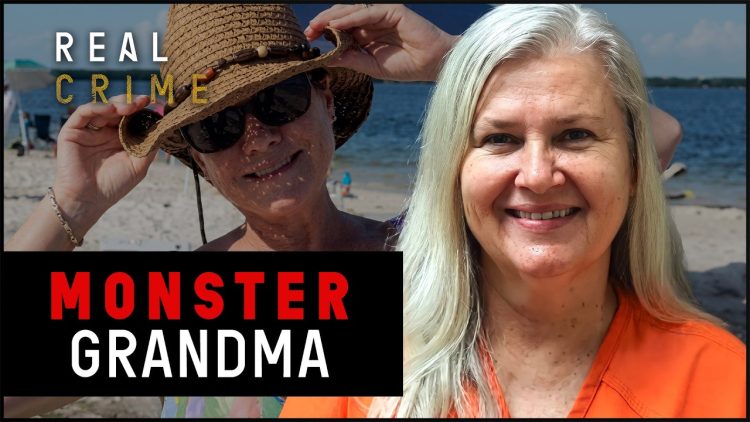
Some killers look the part. Lois Reiss did not — and that, this film argues, is what made her so dangerous. The title calls her America’s most unlikely serial killer, and the documentary sets out to show why: an ordinary-looking woman, a grandmother, whose crimes were discovered only when the pattern behind them came into view. The film is built around her case, but it is not only her case. It brings together three chilling homicide investigations in which everyday interactions and trusted bonds turned fatal, and it follows the detectives who pieced them together.
The first case is the one the film’s title points to: the murder of Pam Hutchinson, and the woman the investigation led to — Lois Reiss. The film presents the case as an identity-theft ambush in Florida: a victim targeted, a killer who used trust and familiarity as a weapon, and an investigation that had to see past the unlikeliest of suspects.
The second case takes the film to Colorado, and to a different kind of trap: an online marketplace. Joseph and Jocelyn Roland were murdered, and the film presents the case as a story about the danger hiding in an everyday transaction — a meeting arranged online, a deal that was never a deal, and a killer who used the marketplace as a hunting ground. The investigation, as the documentary tells it, turned on the same thing as the first case: the gap between what an interaction looks like and what it is.
The third case takes the film to Wisconsin, and to the most intimate betrayal of the three: the murder of Lynn Hernan, and a calculated poisoning by a caregiver. Here the trust was not the trust of a stranger met online, or of a chance encounter. It was the trust of care itself — a person whose job was to look after the vulnerable, using that position to kill. The film presents the case as the darkest of the three, precisely because the bond it broke was the one that should have been safest.
Through all three cases, the film’s method is the same: follow the investigation, show the breakthrough, and draw the lesson. The documentary closes with essential personal safety takeaways, and that closing is the point of the whole film. These were not random crimes, the film argues. They were crimes built on trust — on everyday interactions, on the bonds people rely on — and the safety lessons are about learning to see the danger in the ordinary: in a marketplace meeting, in a caregiver’s access, in a person who looks like the last person in the world who would kill.
What the Film Explores
The film explores the Hutchinson case first, and it is the case the title is built on. The murder of Pam Hutchinson in Florida, and the trail that led to Lois Reiss, is presented as an identity-theft ambush — a crime in which the killer used another person’s identity as part of the plan, and in which the victim’s trust was the weapon. The documentary follows the investigation as it moves from the murder to the suspect, and it is interested in the question of appearance: what it means for a killer to be, by every outward sign, the most unlikely serial killer in America.
A second thread follows the Roland case in Colorado, and the film is at its most unsettling here. Joseph and Jocelyn Roland were killed after an online marketplace meeting, and the documentary presents the case as a warning about the everyday. An online marketplace is a place of ordinary transactions — buying, selling, meeting a stranger to exchange goods. The film shows how that ordinariness can be used: a meeting arranged, a trap set, and a transaction that was never what it seemed. The investigative breakthrough, as the film tells it, came from seeing the marketplace for what it had become.
A third thread follows the Hernan case in Wisconsin, and here the film becomes a study in betrayal. Lynn Hernan was murdered by a caregiver — a calculated poisoning, carried out by a person whose role was to protect. The documentary presents the case as the most intimate of the three, because the trust it violated was the trust of care. The film follows the investigation as it uncovered the poisoning, and it treats the case as the clearest example of its theme: that the most dangerous bonds are sometimes the ones that look the safest.
Running through the film is the safety lesson — the essential personal safety takeaways that close the documentary. The film’s argument is that these three cases share a pattern, and that the pattern is learnable: everyday interactions and trusted bonds turned fatal, in each case, because the danger was hidden inside the ordinary. The takeaways are the film’s answer to that pattern — not fear, but attention, and a willingness to see the risk in the familiar.
Key Themes & Topics Examined
- Lois Reiss, America’s most unlikely serial killer
- The murder of Pam Hutchinson — an identity-theft ambush in Florida
- The murders of Joseph and Jocelyn Roland — an online marketplace trap in Colorado
- The murder of Lynn Hernan — a calculated poisoning by a caregiver in Wisconsin
- Everyday interactions that turned fatal
- Trusted bonds, and how they were used
- Investigative breakthroughs, confessions and safety lessons
- Essential personal safety takeaways
Production & Background
The film is a Real Crime production, structured as three episodes told in sequence: episode 17, the murder of Pam Hutchinson; episode 18, the murders of Joseph and Jocelyn Roland; and episode 19, the murder of Lynn Hernan — followed by essential personal safety takeaways. Real Crime is the channel behind a long series of true-crime documentaries, and this film follows its pattern: real cases, real investigations, and the lessons drawn from them.
The documentary’s structure is given in its own timestamps: an overview, then the three cases in turn, then the safety takeaways. Its subject is the pattern across the cases — the trusted bonds that turned fatal — and its argument is that the pattern is worth knowing, because knowing it is what keeps the next person safe.
Recommended Companion Viewing
Explore authoritative investigative documentaries on related historical events and investigative subjects.

Patrick Henry Cronin: Murder, Betrayal, and Secret Societies
Killer Husband Played The Victim And Lied On National TV
Frequently Asked Questions
What is this film about?
Three homicide investigations in which everyday interactions and trusted bonds turned fatal — including the case of Lois Reiss, called America’s most unlikely serial killer.
Who was Lois Reiss?
The suspect in the murder of Pam Hutchinson in Florida, presented in the film as an identity-theft ambush. The film calls her America’s most unlikely serial killer.
What happened in Colorado?
Joseph and Jocelyn Roland were murdered after an online marketplace meeting — a trap set inside an everyday transaction.
What happened in Wisconsin?
Lynn Hernan was murdered in a calculated poisoning by a caregiver — a betrayal of the trust of care itself.
Why does the film end with safety takeaways?
Because its argument is that the three cases share a pattern, and that the pattern is learnable — the film closes with essential personal safety lessons drawn from the cases.