Episodes
The Vietnam War
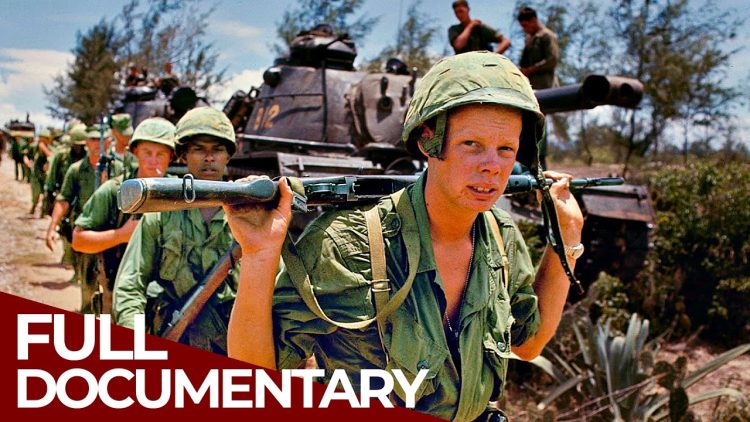
The Vietnam War began long before American troops arrived — in decades of French colonial rule, Japanese occupation, and a Vietnamese struggle for independence led by Ho Chi Minh. This series traces the conflict from those roots through the American involvement that followed, to the fall of Saigon, and examines how a war in Southeast Asia came to define a generation.
The film follows the escalation step by step: advisers under President Kennedy, then the troop build-up under Lyndon B. Johnson, driven by Cold War fears of communist expansion. It also looks at how the war was shown to the public — the first television war — and at its aftermath, from the Paris Peace Accords of 1973 to the consequences that followed at home and abroad.
Key Themes & Topics Examined
- French colonialism and the Vietnamese struggle for independence.
- Ho Chi Minh and the rise of Vietnamese nationalism.
- The escalation of U.S. involvement under Kennedy and Johnson.
- Key military engagements and strategic decisions.
- Media coverage and its effect on public perception.
- The Paris Peace Accords and the fall of Saigon.
Archival & Investigative Sources
- Historical footage documenting the conflict and political events.
- Archival records pertaining to French colonial administration and Vietnamese independence.
- Documentation related to U.S. presidential decisions and military strategies.
- Broadcast materials reflecting media coverage of the war.
Recommended Companion Viewing
Explore authoritative investigative documentaries on related historical events and investigative subjects.

Frequently Asked Questions
What were the primary causes of the Vietnam War?
The primary causes included French colonialism, the Vietnamese struggle for independence led by Ho Chi Minh, and the Cold War geopolitical context, which framed the conflict as a containment effort against communist expansion.
How did U.S. involvement in Vietnam escalate?
U.S. involvement escalated from providing military advisers under President Kennedy to significant troop deployments under President Johnson, driven by the domino theory and concerns over communist influence in Southeast Asia.
What was the significance of the Paris Peace Accords?
The Paris Peace Accords, signed in 1973, aimed to establish peace in Vietnam and facilitate the withdrawal of U.S. forces. They led to a ceasefire and the departure of American troops, though fighting continued between North and South Vietnam until 1975.