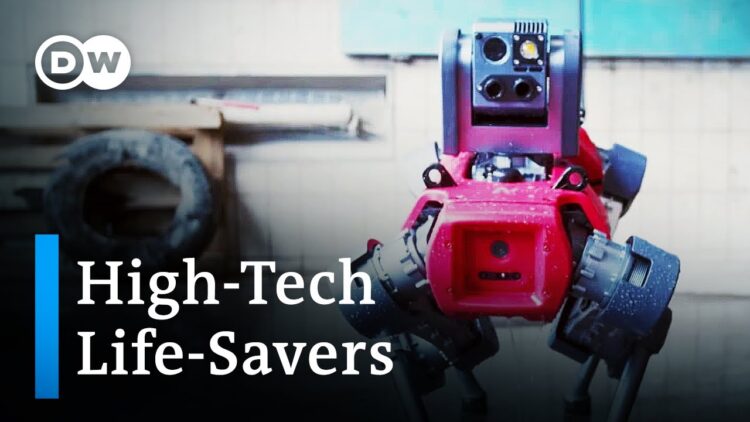
Robots to the Rescue – High-Tech Helpers
Robots and drones are taking on jobs that are too dangerous, too remote or too difficult for people, and this DW Documentary looks at three of them. The film follows the machines from the workshop to the places where they work.
Tom Plümmer’s Wingcopter drone delivers medical supplies in Malawi. Péter Fankhauser’s ANYmal robot inspects chemical plants and refineries where people should not go. And Stefan Sosnowski’s SeaClear project uses AI boats and underwater robots to clear waste from the seabed in the Hamburg docks.
Key Themes & Topics Examined
- Drones delivering medical supplies in remote areas
- Autonomous robots in hazardous industrial sites
- AI and robotics in environmental cleanup
- Technology that extends human reach and safety
Archival & Investigative Sources
- Interviews with inventors Tom Plümmer, Péter Fankhauser and Stefan Sosnowski
- Demonstrations of robotic and drone capabilities in the field
- Footage of the remote and hazardous sites these machines serve
Recommended Companion Viewing
Explore authoritative investigative documentaries on related historical events and investigative subjects.

The Man Who Refused to be a Trillionaire
The AI Industry Is a Complete Mess
The Rise of a Global Company - From the Microscope to the Moon Landing
OpenAI is Suddenly in Trouble
Frequently Asked Questions
What types of robots are featured in the documentary?
The documentary features Wingcopters, which are drone-airplane hybrids used for parcel and medical supply delivery, and ANYmal, a quadrupedal autonomous robot designed for industrial inspection and navigation in hazardous environments. It also includes AI-equipped boats and underwater robots developed for environmental cleanup.
Where are these robotic technologies being implemented?
Wingcopters are shown delivering medication in Malawi and parcels in Germany. ANYmal is being utilized in chemical plants and oil and gas refineries. The SeaClear project’s robots are being tested for seabed waste removal in the Hamburg docks.
What are the primary objectives of these robotic applications?
The primary objectives include improving access to essential supplies in remote areas, enhancing safety in dangerous industrial settings by removing human personnel from risk, and addressing environmental pollution through automated cleanup processes.