Storms, Waves and Risky Maneuvers – The Most Dangerous Job in the North Sea?
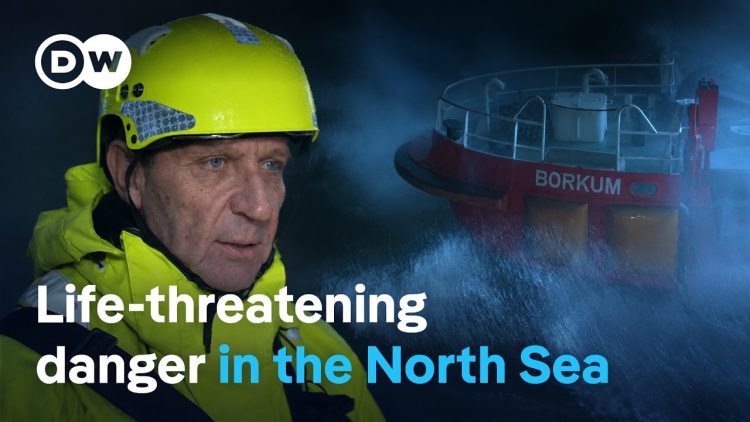
This documentary examines the profession of marine pilots operating in the North Sea, focusing on the inherent dangers and critical decision-making required in their daily tasks. The program highlights the specific challenges faced by pilots, particularly during vessel transfers in adverse weather conditions, such as high winds and rough seas. It details the procedures and risks associated with boarding and disembarking cargo ships via rope ladders and pilot boats, as well as helicopter transfers when sea conditions prevent boat operations.
The film follows harbor pilot Gerhard Janssen and sea pilot Dominik Thieben as they navigate a cargo ship, the “Silver Soul,” through the Ems River and into the North Sea. It documents the environmental factors they contend with, including strong currents, limited visibility, and narrow channels. The narrative also addresses the potential for fatal accidents, referencing recent incidents involving pilots in the region. The documentary explores the operational protocols and safety considerations for pilots and their support crews, including those on pilot boats and in rescue helicopters, emphasizing the constant assessment of risk involved in each maneuver.
Key Themes & Topics Examined
- The operational duties and responsibilities of marine pilots.
- The specific environmental challenges of piloting vessels in the North Sea.
- The risks associated with transferring personnel between ships and pilot boats or helicopters in severe weather.
- Decision-making processes under high-pressure and dangerous conditions.
- The impact of extreme weather (e.g., gale-force winds, hurricane-force storms) on maritime operations.
- Safety protocols and emergency procedures for marine pilots and support crews.
Archival & Investigative Sources
- On-site filming of marine pilot operations in the North Sea and Ems River.
- Interviews and observations of active marine pilots, including Gerhard Janssen and Dominik Thieben.
- Footage of pilot boat and helicopter transfer maneuvers.
- Documentation of weather conditions and their influence on maritime activities.
Recommended Companion Viewing
Explore authoritative investigative documentaries on related historical events and investigative subjects.

Backbreaking Work: Deep-Sea Fishing in the Arctic Ocean
How Dependent Is Germany on Skilled Workers from Abroad?
Men in the Modeling Business
Frequently Asked Questions
What is the primary role of a marine pilot?
A marine pilot’s primary role is to guide ships safely through challenging waterways, such as harbors, rivers, and narrow channels, where local knowledge of currents, depths, and traffic is crucial. They temporarily take command of a vessel to ensure its safe passage.
What are the main dangers faced by marine pilots in the North Sea?
The main dangers include transferring between vessels in high winds and rough seas, which can lead to falls and hypothermia. Other risks involve navigating in poor visibility, strong currents, and congested shipping lanes, all of which require precise maneuvers and critical decision-making.
How do marine pilots transfer to and from large cargo ships?
Pilots typically transfer to and from cargo ships by climbing rope ladders from a smaller pilot boat. In conditions where sea states are too severe for boat transfers, helicopters are used to hoist pilots onto or off the vessel.