Piper Alpha: Nightmare on the North Sea
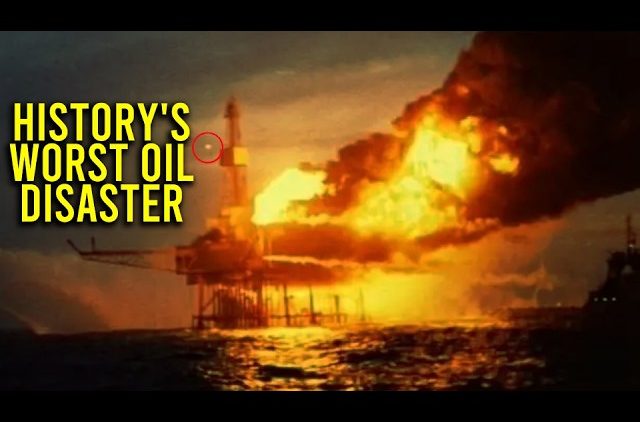
On 6 July 1988, the Piper Alpha oil platform in the North Sea exploded and caught fire. 167 men died — the deadliest offshore oil disaster in history. This Geographics film reconstructs what happened, and why.
The film follows the sequence of events on the platform, the technical failures and human errors behind the explosion — maintenance, communication and emergency response — and the rescue efforts that followed. It also covers the public inquiry and the changes in safety legislation and industry practice that came out of the disaster.
Key Themes & Topics Examined
- The Piper Alpha disaster, 6 July 1988
- 167 deaths, the deadliest offshore oil disaster
- Technical failures and human errors
- Rescue efforts in the North Sea
- The public inquiry and safety reform
Archival & Investigative Sources
- Historical footage of the Piper Alpha platform and the North Sea oil industry.
- Testimonies and accounts from survivors, rescue personnel, and investigators.
- Official reports and findings from the Cullen Inquiry into the disaster.
- Expert analysis on industrial safety, engineering, and emergency management.
Recommended Companion Viewing
Explore authoritative investigative documentaries on related historical events and investigative subjects.

9/11: 25 Years Later Remembering The Day the World Stood Still
Retold - History's Forgotten Stories: The Burning Sea
Why Cold Drinks Were Deadly Before 1914
9/11 The First Hours Minute By Minute
Frequently Asked Questions
What was the primary cause of the Piper Alpha disaster?
The disaster was primarily caused by a series of human errors and procedural failures, specifically the simultaneous removal of a pressure safety valve and the activation of a pump that had been taken out of service, leading to a gas leak and subsequent explosions.
What were the long-term consequences of the Piper Alpha disaster for the oil industry?
The Piper Alpha disaster led to significant reforms in offshore safety regulations globally, particularly in the UK. The Cullen Inquiry’s recommendations resulted in a shift from prescriptive regulations to goal-setting regulations, emphasizing operators’ responsibility for safety management systems and risk assessment.