The 2,500-Year Journey Of Buddhist Wisdom: Preserving Sacred Traditions Across Eons
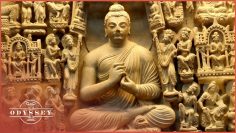
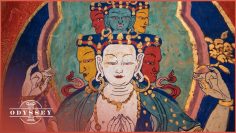
Buddhism has travelled for 2,500 years, from ancient India across Central Asia, East Asia and Southeast Asia — and it is still being kept alive, taught and renewed today. This Odyssey documentary follows that journey and the people working to preserve it in the modern world.
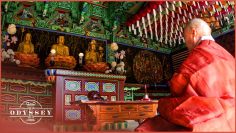
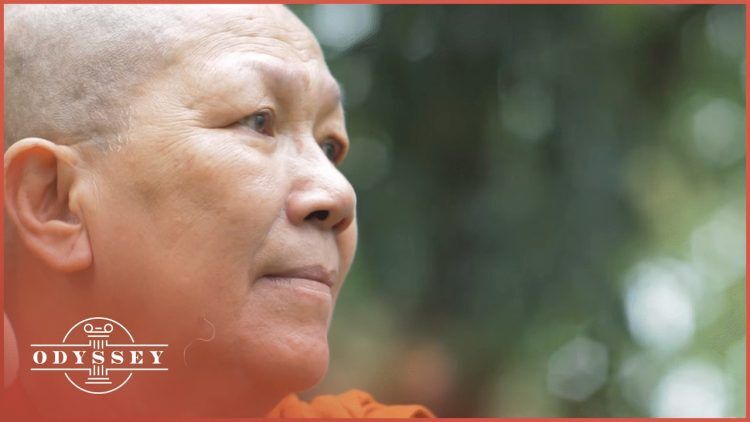
The film spends time in Taiwan, at the Luminary Buddhist Institute, where female monastics — Bhikkhunis — train in spiritual, textual and secular study, preparing to lead communities, preserve ancient scriptures and promote human equality. It shows how fundamental Dharma principles meet contemporary life, from indigenous community support to social movements.
Key Themes & Topics Examined
- The spread of Buddhism from ancient India across Asia
- Preserving ancient monastic traditions in the modern era
- Female monastics (Bhikkhunis) and the Luminary Buddhist Institute
- Training for leadership, scripture preservation and equality
- Buddhist principles applied to contemporary social issues
Archival & Investigative Sources
- Historical accounts of Buddhism’s spread.
- Interviews and observations within Taiwanese Buddhist institutions, including the Luminary Buddhist Institute.
- Analysis of contemporary social initiatives influenced by Buddhist principles.
Recommended Companion Viewing
Explore authoritative investigative documentaries on related historical events and investigative subjects.

From Hate to Peace - The Power of Reconciliation
Frequently Asked Questions
What is the primary focus of the documentary?
The documentary focuses on the 2,500-year journey of Buddhist wisdom, specifically examining how ancient traditions are preserved and adapted in the modern world, with a particular emphasis on female monastics in Taiwan.
Where does the documentary explore contemporary Buddhist practices?
The documentary explores contemporary Buddhist practices within Taiwan, including institutions such as the Luminary Buddhist Institute.
What role do female monastics play in the documentary’s narrative?
Female monastics (Bhikkhunis) are presented as central figures undergoing rigorous training to lead communities, preserve scriptures, and advocate for human equality within the Buddhist tradition.