



The Poor, The Banks & Digital Money
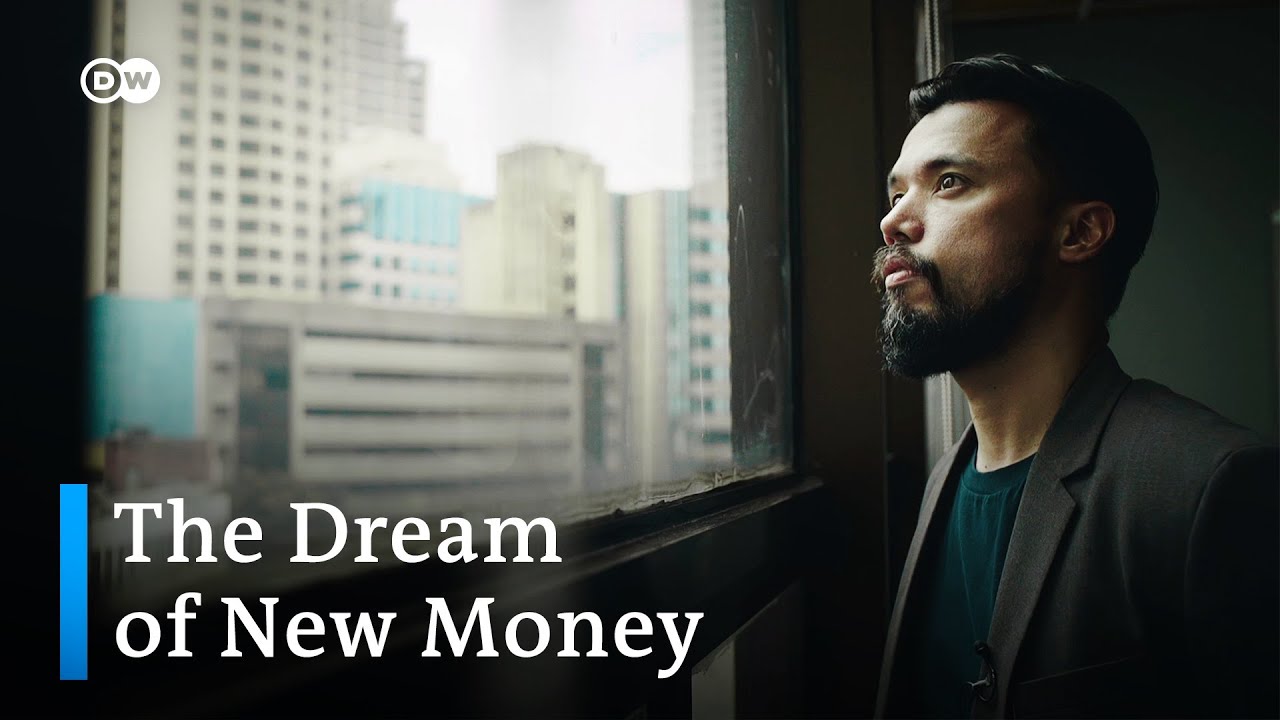
This documentary examines the impact of financial technology (FinTech) and cryptocurrencies on financial inclusion, particularly in the Philippines. It explores how the 2008 financial crisis contributed to a distrust in traditional banking institutions and accelerated the adoption of alternative financial systems, such as Bitcoin.
The program focuses on the Philippines, where a significant portion of the population lacks access to formal banking services. It highlights the efforts of FinTech startups and individuals, such as blockchain ambassador Lina Seiche and SCI founder Miguel Cuneta, who are developing solutions to provide financial services like bill payment, e-commerce, and cryptocurrency wallets to the unbanked. The documentary also features David Kath, who utilizes technology to eliminate intermediaries in the plastic recycling industry, enabling waste-pickers to increase their income by converting plastic into digital tokens.
Key Themes & Topics Examined
- The role of the 2008 financial crisis in fostering distrust in traditional banking.
- The emergence of cryptocurrencies like Bitcoin as alternative financial systems.
- Financial exclusion in the Philippines and its societal implications.
- FinTech startups and their strategies for increasing financial inclusion.
- The application of blockchain technology in developing decentralized financial networks.
- Case studies of individuals and organizations working to integrate unbanked populations into the digital economy.
- The transformation of physical assets, such as plastic, into digital currency.
Archival & Investigative Sources
- Interviews with FinTech founders and blockchain advocates.
- On-location footage documenting the operations of FinTech startups in the Philippines.
- Demonstrations of digital financial services and cryptocurrency transactions.
- Observations of individuals participating in the digital economy, including waste-pickers.
Frequently Asked Questions
What is the primary focus of this documentary?
The documentary primarily focuses on the efforts of FinTech startups and cryptocurrency initiatives to address financial exclusion in the Philippines, particularly among the unbanked population.
How does the documentary connect the 2008 financial crisis to current financial trends?
It posits that the 2008 financial crisis generated distrust in conventional banks, which in turn accelerated the acceptance and development of new forms of money, such as cryptocurrencies.
Who are some of the key individuals featured in the documentary?
Key individuals include Lina Seiche, a blockchain ambassador and founder of Blockchats, Miguel Cuneta, founder of SCI, and David Kath, who works with waste-pickers to integrate them into the digital economy.
What specific services are FinTech startups providing in the Philippines?
FinTech startups are providing services such as bill payment, e-commerce, cashless transactions, and cryptocurrency wallets to individuals who lack access to traditional banking.
How does the documentary illustrate the concept of digital money beyond traditional cryptocurrencies?
It illustrates this through the example of waste-pickers converting plastic into digital tokens that function as money in an e-wallet, thereby integrating them into the digital commerce system.