Unearthed: The Secrets Of A 300-Year-Old Weapons Forge
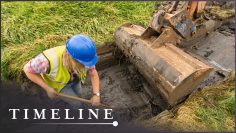
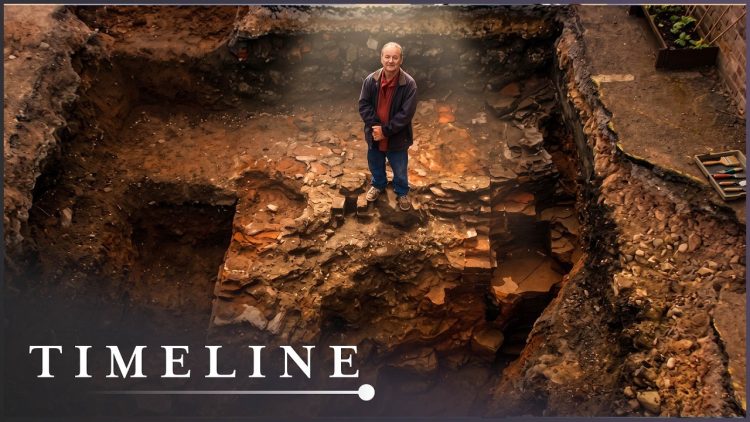
Beneath a pub in Leighton, England, archaeologists found a 17th-century blast furnace — a charcoal-powered forge, built before the Industrial Revolution, that made iron and cannonballs for Royalist forces in the English Civil War.
This Timeline film follows the dig as it uncovers the water wheel, the casting arches and the slag pits, and reconstructs how the forge worked — and why it faded away when coal and new industrial methods arrived.
Key Themes & Topics Examined
- A 17th-century blast furnace under a pub in Leighton
- Charcoal-powered iron and cannonballs for the Royalists
- Water wheel, casting arches and slag pits
- Archaeology of an early industrial site
- Why the forge became obsolete
Archival & Investigative Sources
- Archaeological excavation findings from the Leighton blast furnace site.
- Analysis of historical industrial infrastructure, including water wheels and casting arches.
- Examination of slag deposits to understand production processes.
Recommended Companion Viewing
Explore authoritative investigative documentaries on related historical events and investigative subjects.

Soviet Union: Rise & Fall of the Communist Empire
9/11 The First Hours Minute By Minute
The Washington Monument: Honoring The Father of a Nation
Piper Alpha: Nightmare on the North Sea
Frequently Asked Questions
What is the primary focus of the documentary?
The documentary focuses on the archaeological excavation and historical analysis of a 17th-century blast furnace in Leighton, England, which produced weapons during the English Civil War.
What historical period does the blast furnace belong to?
The blast furnace dates to the 17th century, operating during the English Civil War period.
What type of power source did the forge utilize?
The forge was charcoal-powered, predating the coal-fueled advancements of the Industrial Revolution.
What was the primary output of this forge?
The forge produced iron and manufactured cannonballs for Royalist forces.