





Extreme Nature: Earth’s Wildest Frontiers
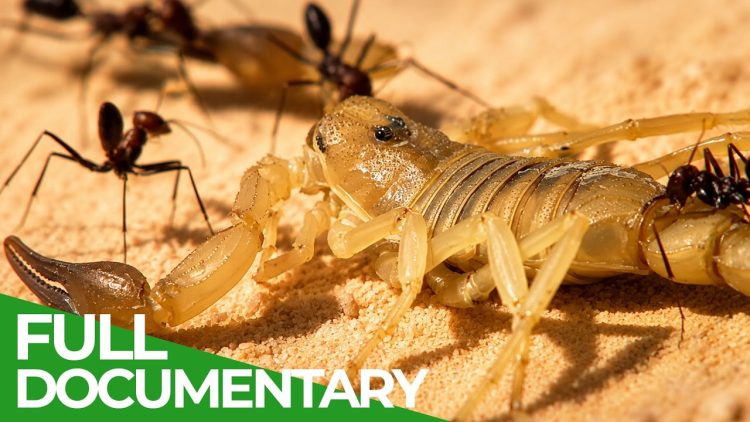
Some animals live where life should be impossible: in freezing mountain forests, on Arctic ice, in deserts that reach lethal temperatures, around volcanic ash and in lakes so salty they burn. This film visits those frontiers and the creatures that call them home — snub-nosed monkeys huddled against the cold, sandfish swimming through desert sand, polar bears on thinning ice, and desert ants navigating heat that would kill most living things.
Each animal has its own answer to the same problem: how to eat, drink and stay alive where the environment is trying to kill you. The film shows those answers in action — the physiology and behaviour that evolution has shaped — and the sheer variety of life that exists at the edges of what is habitable.
Key Themes & Topics Examined
- Freezing forests, deserts, Arctic ice and volcanic ash zones.
- Snub-nosed monkeys, sandfish, polar bears and desert ants.
- Survival strategies in caustic salt lakes and frozen valleys.
- How natural selection shapes life in extreme habitats.
- Biodiversity at the edges of habitability.
Archival & Investigative Sources
- Field observations of wildlife in extreme habitats.
- Footage documenting animal behavior and survival techniques.
- Scientific research on ecological adaptation.
Recommended Companion Viewing
Explore authoritative investigative documentaries on related historical events and investigative subjects.

Call of the Wild
Destination Wild: The Sahara
Prairie Dogs: Life in the Wild West
Nature's Smartest Animals
Frequently Asked Questions
What types of extreme environments are featured in the documentary?
The documentary features a range of extreme environments, including freezing mountain forests, deserts, Arctic ice, volcanic ash zones, caustic salt lakes, frozen valleys, underwater habitats, and high mountain cliffs.
Which animal species are highlighted for their survival skills?
Highlighted species include snub-nosed monkeys, sandfish, polar bears, and desert ants, among others that have developed specialized adaptations to their respective extreme habitats.