The Apollo Moon Landings: NASA’s Greatest Achievement
This documentary examines the historical context, technological advancements, and human endeavors that culminated in the Apollo Moon Landings. It traces the origins of the space race, highlighting the geopolitical pressures of the Cold War and the early successes of the Soviet Union that spurred American efforts in space exploration. The film details the extensive research, development, and sacrifices made by numerous individuals and organizations to achieve the objective of landing humans on the Moon.
The program focuses on the Apollo 11 mission, documenting the critical events leading up to July 20, 1969, and the subsequent lunar landing. It also addresses the challenges and setbacks encountered throughout the Apollo program, illustrating the complexities and risks inherent in such an ambitious undertaking. The documentary positions the moon landings as a significant benchmark in human ambition and technological capability.
Key Themes & Topics Examined
- The Cold War and its influence on the space race.
- Early Soviet achievements in space.
- NASA’s organizational structure and technical innovations.
- The development and execution of the Apollo program.
- The specific events and personnel involved in the Apollo 11 mission.
- The challenges, risks, and near-failures encountered during the lunar missions.
- The long-term impact and legacy of the Apollo Moon Landings.
Archival & Investigative Sources
- Historical footage of NASA missions and operations.
- Archival records pertaining to the Apollo program.
- Documentation of Cold War-era space competition.
Recommended Companion Viewing
Explore authoritative investigative documentaries on related historical events and investigative subjects.
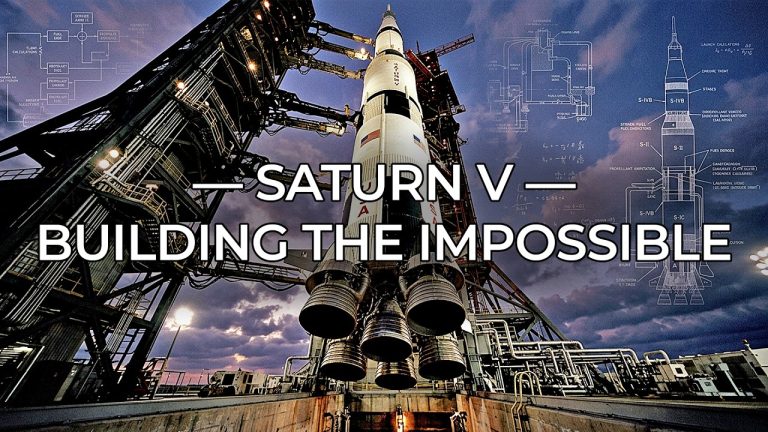
Saturn V: How NASA Built the Most Powerful Rocket Ever

Progress 96 Cargo Ship Launch
NASA's Northrop Grumman Commercial Resupply Services 24 Departure
Progress 96 Cargo Ship Docking
Frequently Asked Questions
What was the primary motivation behind the Apollo program?
The primary motivation for the Apollo program was a combination of scientific curiosity, technological advancement, and geopolitical competition with the Soviet Union during the Cold War, particularly after early Soviet successes in space.
Which mission achieved the first human moon landing?
Apollo 11 achieved the first human moon landing on July 20, 1969, with astronauts Neil Armstrong and Buzz Aldrin becoming the first humans to walk on the lunar surface.
What were some of the significant challenges faced by the Apollo program?
Significant challenges included overcoming complex engineering problems, ensuring astronaut safety in a hostile environment, managing immense financial and human resources, and navigating political pressures and public expectations.