Mao Zedong and the Founding of the People’s Republic of China
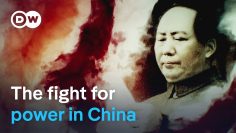
This documentary examines the life and political career of Mao Zedong, focusing on his role in the establishment of the People’s Republic of China. It traces his trajectory from a rural background to becoming a central figure in 20th-century Chinese history. The program addresses the complexities of his legacy, including his status as a revolutionary leader and the controversial aspects of his rule, such as the Cultural Revolution.
The series covers Mao Zedong’s early life, his exposure to Marxist ideas following the Russian Revolution of 1917, and his co-founding of the Communist Party of China. It details the conflict with the Kuomintang party, the historical significance of the “Long March,” and the eventual establishment of the People’s Republic of China. The narrative extends to the devastating impact of policies like the Cultural Revolution in the 1960s.
Key Themes & Topics Examined
- Mao Zedong’s early life and political awakening
- The influence of the 1911 Revolution and Marxist ideology
- The formation and rise of the Communist Party of China
- The Chinese Civil War and the “Long March”
- The founding of the People’s Republic of China
- The Cultural Revolution and its societal impact
- Mao Zedong’s enduring legacy in contemporary China
Archival & Investigative Sources
- Archival footage
- Interviews with historians
- Eyewitness accounts
Frequently Asked Questions
Who was Mao Zedong?
Mao Zedong was a Chinese communist revolutionary who became the founding father of the People’s Republic of China, which he governed as the Chairman of the Communist Party of China from its establishment in 1949 until his death in 1976.
What was the “Long March”?
The “Long March” was a military retreat undertaken by the Red Army of the Communist Party of China to evade the pursuit of the Kuomintang army from October 1934 to October 1935. It solidified Mao Zedong’s leadership within the Communist Party.
What was the Cultural Revolution?
The Cultural Revolution was a sociopolitical movement in China from 1966 until 1976, launched by Mao Zedong, whose stated goal was to preserve Chinese Communism by purging remnants of capitalist and traditional elements from Chinese society, and to re-impose Maoist thought as the dominant ideology within the Party.