A global longevity movement – Eternal life with biohacking?
A global longevity movement promises to decelerate the ageing process. Or even avoid it, altogether. But just how realistic are the claims of biohacking and self-optimisation? And who can afford it anyway?
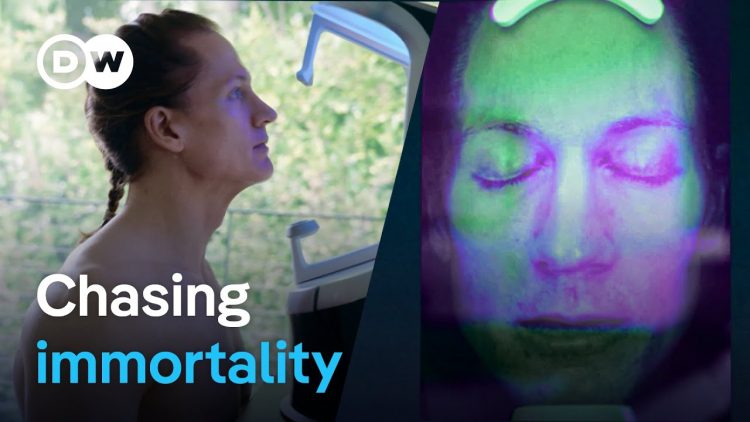
YouTuber Anastasia wants to stay young forever, and a researcher in the USA promises that people can live up to 500 years. Bryan Johnson is following the radical “Don’t Die” program to become immortal. The tech billionaire lives by strict rules, eats the same thing every day and avoids all forms of risk. At his home in Los Angeles, the most famous follower of the longevity scene shows how he wants to overcome death.
But is this plan at all realistic? The film weighs the promises of biohacking against what science can actually show, and asks who gets to take part in the quest for eternal life when the regimens on offer cost so much time and money.
Key Themes & Topics Examined
- The global longevity movement and its promises
- Biohacking and self-optimisation
- Bryan Johnson’s “Don’t Die” program
- The cost of chasing eternal life
- What science can and cannot show about slowing ageing
Archival & Investigative Sources
- YouTuber Anastasia on wanting to stay young forever.
- Bryan Johnson on his “Don’t Die” program at his home in Los Angeles.
- Researchers on the science behind longevity claims.
Recommended Companion Viewing
Explore authoritative investigative documentaries on related historical events and investigative subjects.

Mediterranean cuisine - The recipe for a long and healthy life?
Eternal Life? The secrets of the centenarians
Frequently Asked Questions
What is this documentary about?
It looks at the global longevity movement and asks how realistic the claims of biohacking and self-optimisation really are.
Who is Bryan Johnson?
A tech billionaire following the radical “Don’t Die” program to become immortal, living by strict rules and eating the same thing every day.
Are the claims of the longevity movement realistic?
The film weighs the promises against what science can actually show — and asks who can afford to take part.